
Last updated September 20, 2026
Full 25-point door and opener safety check with every visit - springs, cables, rollers, tracks, and your LiftMaster or Chamberlain opener included
You get a price before we start. It does not change when the truck arrives.
 Before
 After
After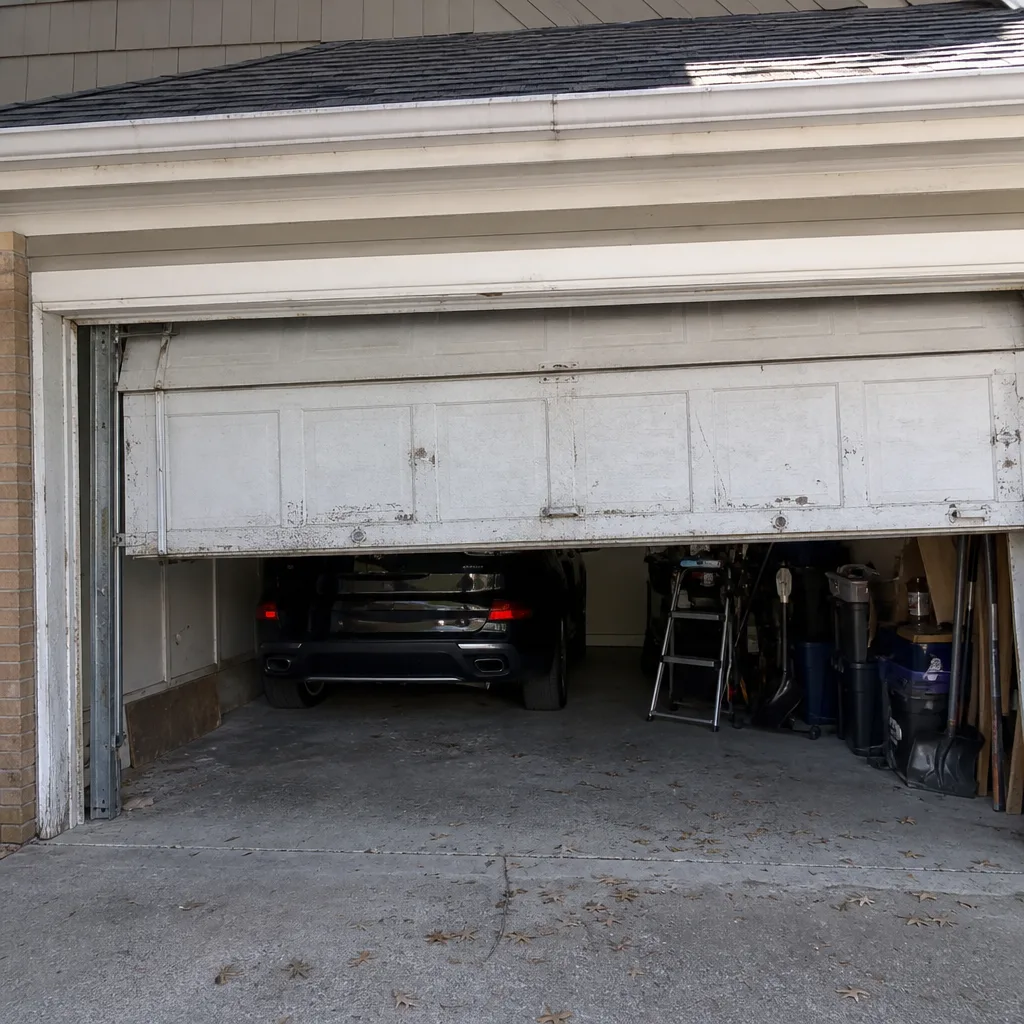 Before
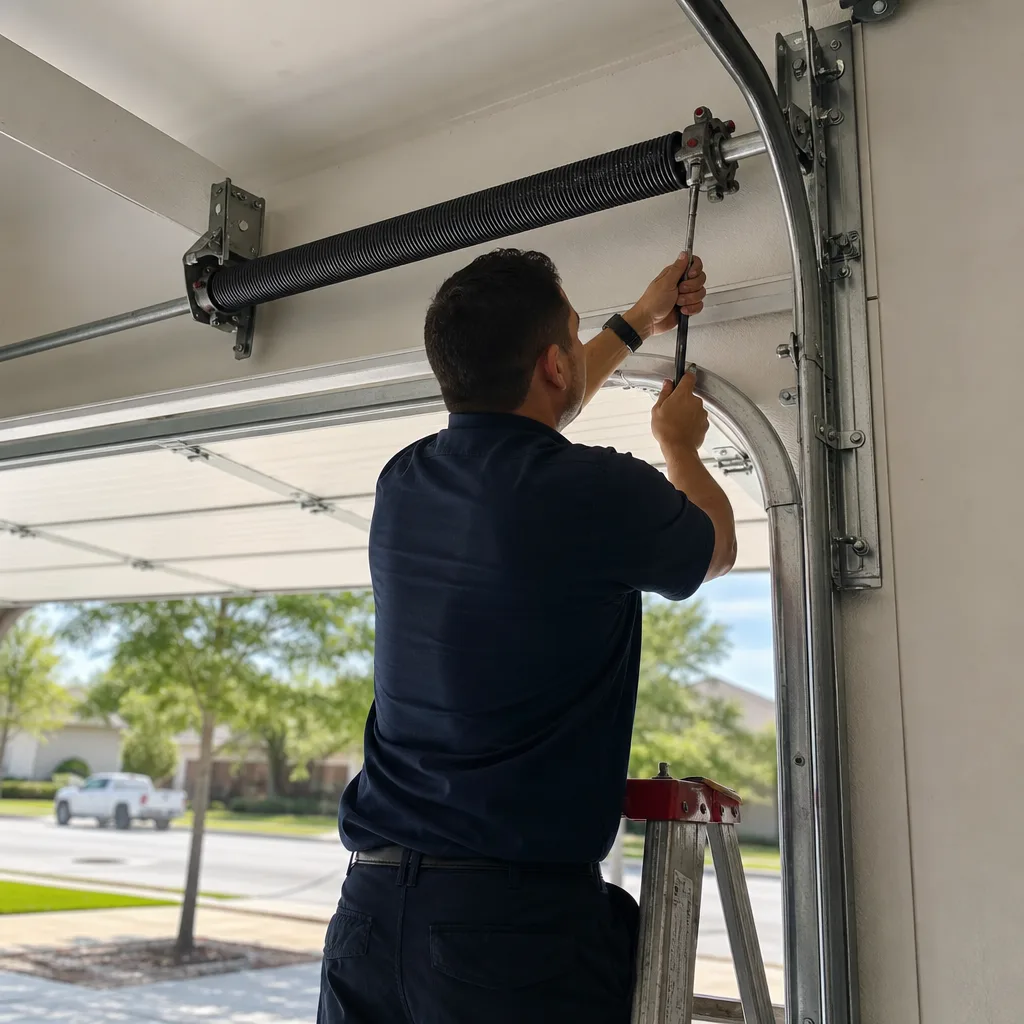 After
After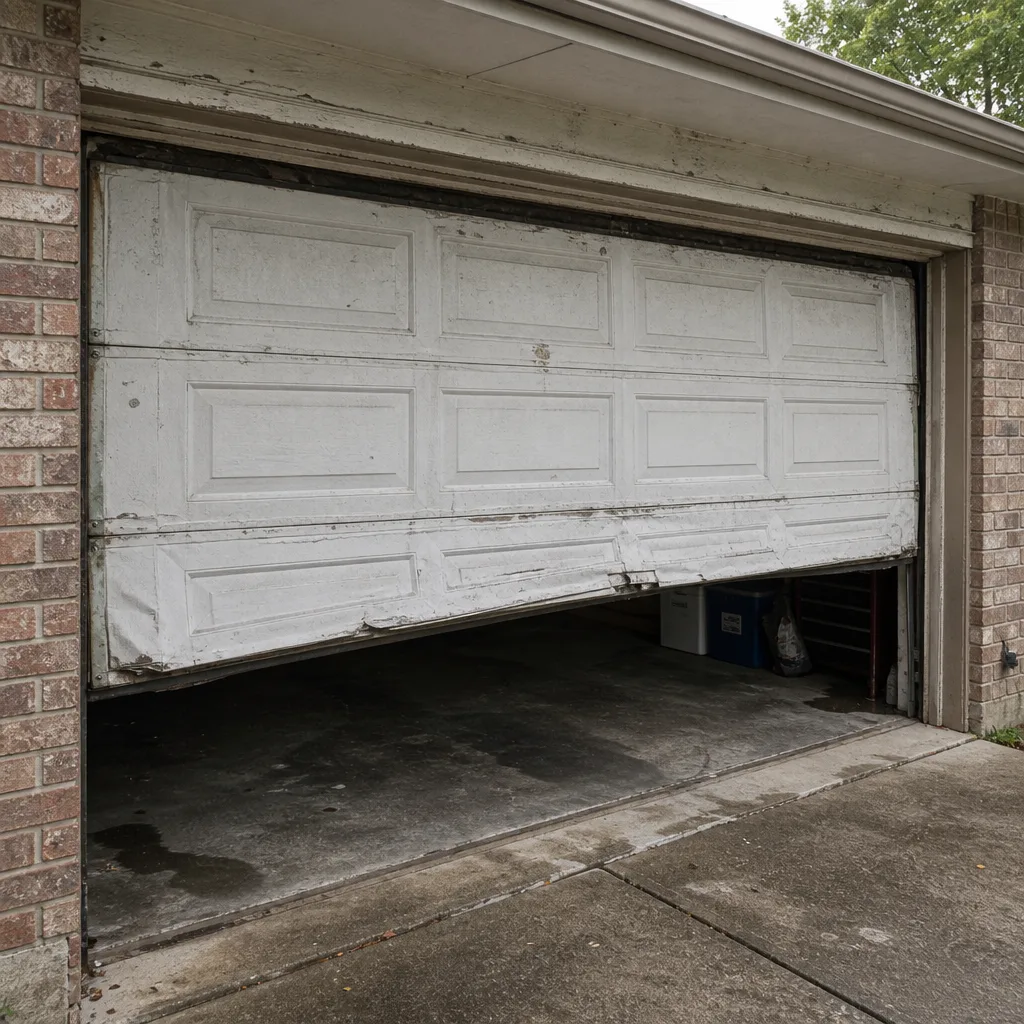 Before
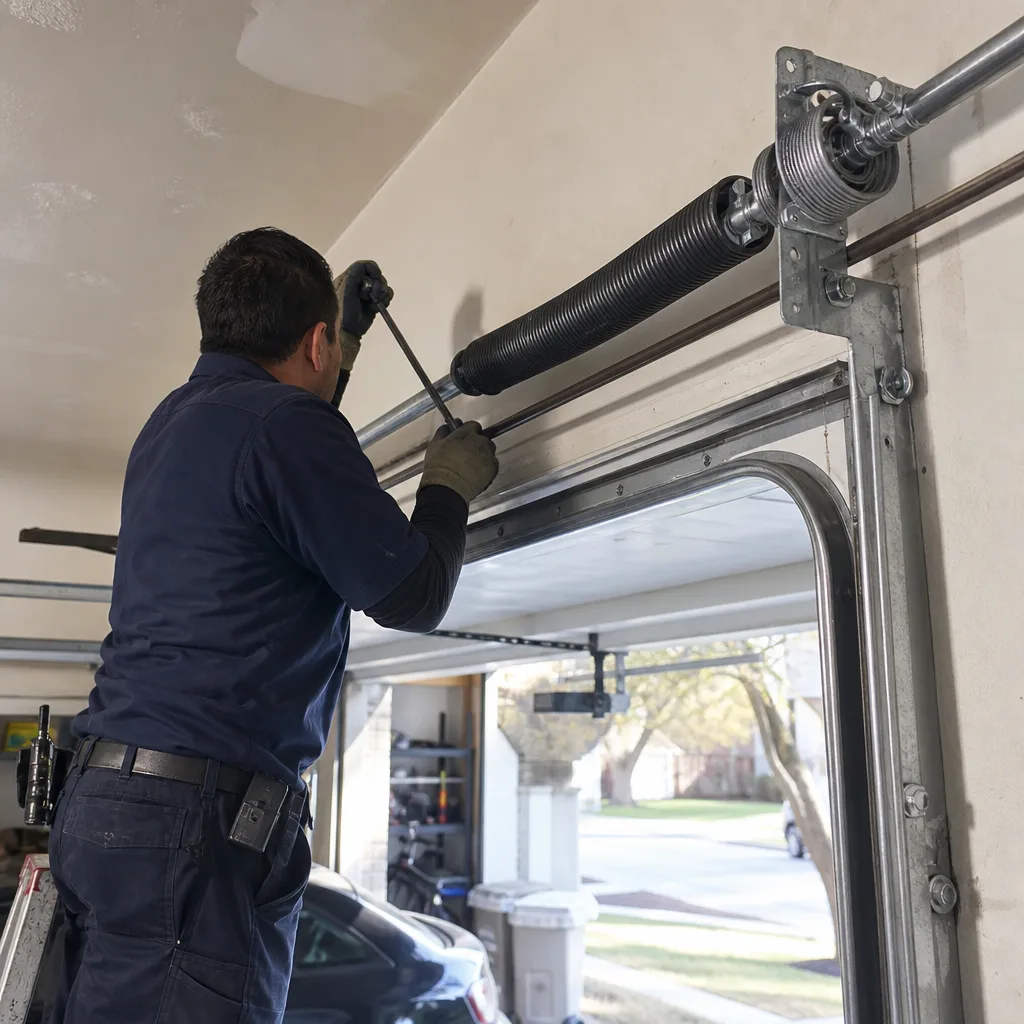 After
AfterGarage Door Permits, Codes & Inspections in TX: What You Need to Know
Most Fort Worth homeowners don’t pull permits for garage door work because they assume it’s optional, and for repair work they’re usually right. But a full replacement sits on a different legal shelf. In Fort Worth, a garage door replacement can trigger a building permit requirement if it alters the rough opening or affects fire-rated wall assemblies, two conditions most contractors won’t mention in the quote. This guide maps the actual permit threshold in Texas and Fort Worth so you know exactly which side of the line your project sits on before the first screw comes out.
Quick Answer
In Texas, garage door repairs and like-for-like replacements typically do not require a building permit, but any replacement that alters the rough opening, widens the opening, relocates the door, or changes a wall assembly requires a permit in most jurisdictions, including Fort Worth. Between a house and an attached garage, the separation wall is fire-rated, and Texas’s adoption of the International Residential Code (IRC) governs which replacement doors legally satisfy that rating. The practical test: if the new door fits the existing opening with no structural changes, you’re usually on the permit-free side. If any framing is cut, you’re not.
Table of Contents
- The Permit Threshold: Repair vs. Replacement in Texas
- Fort Worth Municipal Code: What the Ordinance Actually Says
- Fire-Rated Doors Between Garage and Living Space: The IRC Rules
- Insurance Exposure: When Unpermitted Work Meets a Property Claim
- HOA Requirements in Fort Worth Subdivisions: The Second Approval Layer
- The Inspection Sequence for Permitted Work: What Inspectors Check
- Documenting Compliance Before the Inspector Arrives
- Common Mistakes to Avoid
- When to Call a Professional
- Frequently Asked Questions
- The Bottom Line
BeforeAfterThe Permit Threshold: Repair vs. Replacement in Texas
Texas leaves permitting authority to cities and counties. There is no single state permit for garage door work. Some unincorporated areas of Texas require nothing at all for a garage door replacement; some cities require a permit for any change. Fort Worth sits in the middle with a rule that’s common across the Metroplex: maintenance, minor repair, and like-for-like replacement are exempt, while structural alteration is not.
Here is the working distinction. A like-for-like replacement means the new door occupies the same rough opening, uses the same track configuration, and does not change the wall assembly. The installation tech unbolts the old track, hangs new track in the same holes, and mounts the new sections. No framing is cut. No structural member is moved. That’s a repair in the eyes of the code, even though a brand-new door hangs in the opening at the end.
What moves a project into permit territory in Fort Worth:
- Widening or heightening the rough opening, even by a few inches to fit a larger door
- Cutting, modifying, or relocating any stud, header, or structural framing member
- Removing or altering drywall or other wall coverings on the garage side
- Installing a door where none existed, which changes the exterior wall assembly
- Converting a carport to a garage, which is a different permit class entirely
In our experience at Servo Garage Doors Fort Worth home, most replacement projects in Fort Worth fall on the permit-free side because the existing opening is reused. But the moment a homeowner says “while you’re here, can we make the door taller for the truck,” the project changes legal character. We tell the customer that before any work is quoted, not after.
Fort Worth Municipal Code: What the Ordinance Actually Says
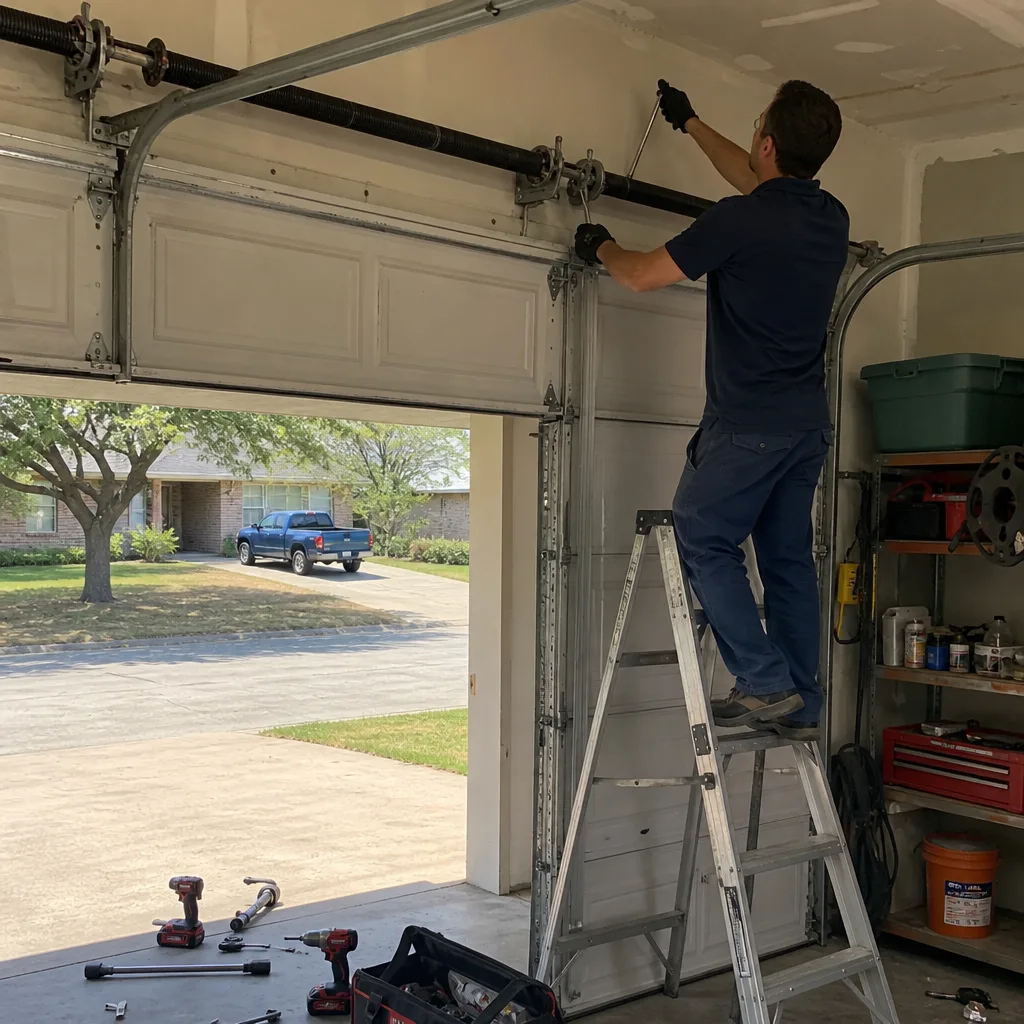
Fort Worth adopts the International Residential Code with local amendments and administers it through the Development Services Department. The relevant general principle is that alteration to a structure requires a permit; ordinary repair does not. The code defines the boundary through explicit exemptions. Amended code sections list exempt work: repair and replacement of nonstructural components, including garage doors, when the work does not alter the opening or affect a wall assembly.
But the Fort Worth amendments add a layer specific to attached garages. The separation wall and ceiling between a garage and living space are fire-rated assemblies in most Fort Worth single-family homes built under modern code adoption. A garage door replacement that would change the rating or function of that assembly, or a replacement that cuts into it, is not ordinary repair. That includes moving a door from a side wall to a gable end if the gable end abuts living space.
What a Fort Worth homeowner should know before replacing a door:
- The permit exemption applies to like-for-like replacement within the existing rough opening
- Alteration of the opening is a permit event under the Alteration definition in the local code
- Fort Worth inspectors reference the rough opening dimensions recorded at original construction, not the door panel size
- Permit applications for garage door structural work flow through Development Services, and the process includes plan review for wall assembly changes
The practical test we advise Fort Worth homeowners to apply is this: if the new door frame touches any framing you couldn’t have touched without a saw, pull the permit. If a tape measure, a level, and a socket set are the only tools involved, you are likely on the maintenance side of the line. If you’re not certain, the Development Services counter will tell you without charging for the question, and that is always cheaper than guessing wrong. For additional preparation, see our Garage Door Repair Maintenance Checklist for Fort Worth Homeowners.
Fire-Rated Doors Between Garage and Living Space: The IRC Rules
Texas adopts the IRC, and the IRC is explicit about the separation between a garage and living space. The wall and ceiling that separate an attached garage from the house must be fire-separation rated. The requirement protects occupants from fuel-fed garage fires, which burn hotter and faster than most homeowners assume. A car fire in a garage can reach flashover in under ten minutes, and the separation wall is often the only thing between that fire and the bedrooms above the garage.
The IRC section that governs this separation requires a minimum fire-resistance rating on walls and ceilings, with openings protected by solid wood, solid wood core, or steel doors, no less than 1-3/8 inches thick, or doors with a 20-minute fire rating. That requirement applies to the personnel door, the door you walk through, between the garage and the house. The garage vehicle door, the large sectional door facing the driveway, is governed differently: it must meet the thermal performance and wind load standards adopted by the state for exterior envelope components, and it cannot reduce the rating of any wall it is mounted to.
The distinction matters in Fort Worth because of what homeowners actually buy. Amarr and Wayne Dalton both manufacture garage doors with steel or foam-core construction that structurally outperforms wood in fire-adjacent conditions, but the rating requirement applies to the wall, not the vehicle door itself. A replacement vehicle door does not need a fire rating; the wall assembly behind and around it does. What the replacement must do is this:
- Preserve the existing separation wall intact, with no cuts into studs or headers
- Match or exceed the original door’s structural attachment, using correctly sized fasteners into existing anchors
- Maintain the required clearance to combustibles around the opening
- Match the opening dimensions so the door’s weather seal and edge conditions do not leave gaps that compromise the wall assembly’s function
If a homeowner wants to enlarge a garage vehicle opening on an attached garage wall, the permit process will include a plan review for the altered wall assembly, and the inspector will verify that fire-rated drywall and any required insulation are restored. That is not optional paperwork, and it is not an upsell. It is the legal condition under which the wall does the job it was built to do.
Insurance Exposure: When Unpermitted Work Meets a Property Claim
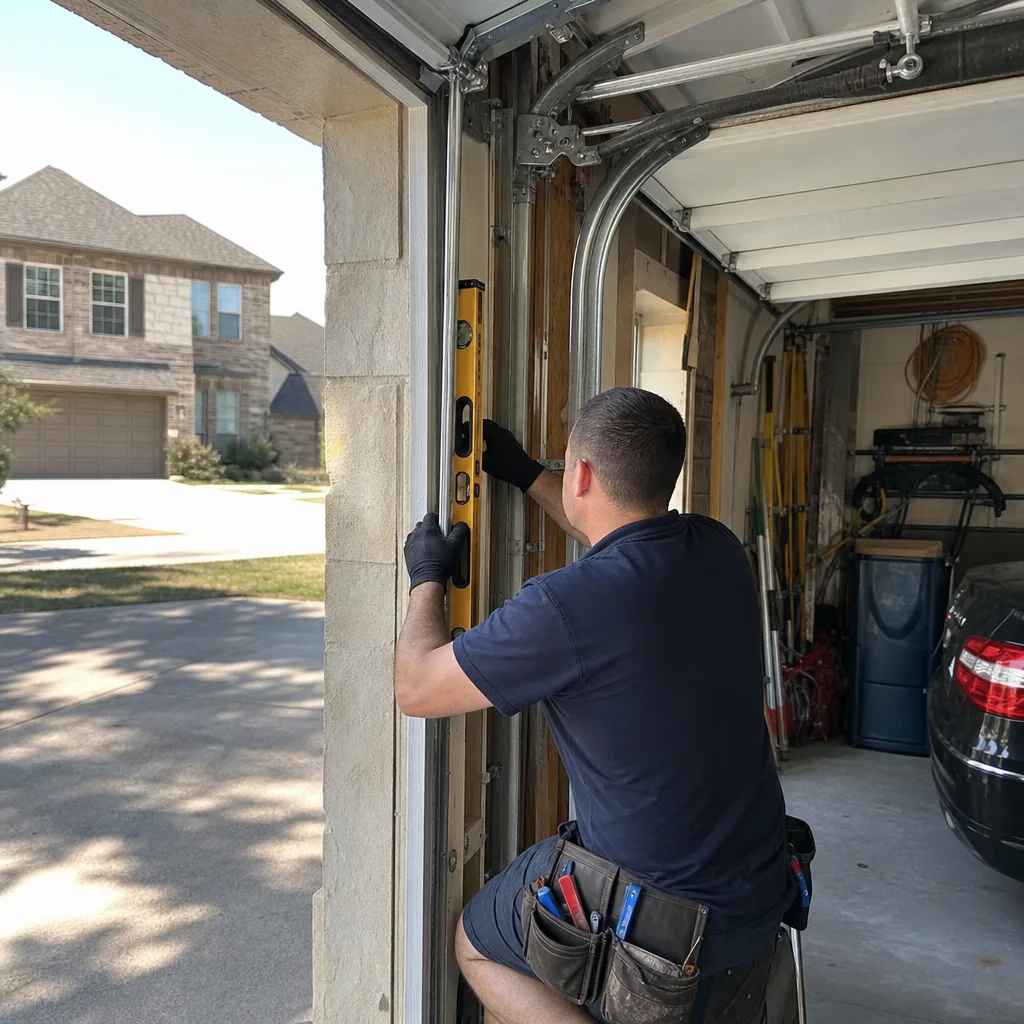
Here is the quiet risk most Fort Worth homeowners never hear until a claims adjuster brings it up. Standard Texas homeowners insurance policies, including HO-3 forms written by the major carriers, contain exclusion language tied to unpermitted construction and failure to comply with ordinance or law. Learn to spot problems early with our Garage Door Warning Signs: A Fort Worth Homeowner’s Reference Guide. The specific wording varies, but the effect is consistent: if unpermitted structural work is discovered after a loss event, the carrier can deny the portion of the claim connected to that work.
The exposure scenario is not hypothetical in Texas. A garage door installed with a widened opening, no permit, and no inspection. Later, a roof fire or a vehicle fire damages the garage. The investigator notes the altered wall assembly and the absence of a permit record. The carrier then asserts that the unpermitted alteration increased the risk or contributed to the severity of the loss, and applies the policy exclusion. The homeowner learns all of this after the loss, when leverage is gone.
What to look for in your policy:
- Physical change exclusions: language that bars coverage for loss arising from unauthorized construction or alteration
- Ordinance or law exclusions: language that limits payment for cost increases driven by the need to bring unpermitted prior work into compliance
- Concealment or fraud provisions: which can be triggered if a homeowner signs an application or claim form that omits known unpermitted alterations
The fix is simple and unglamorous. Pull the permit, get the inspection, keep the record. A copy of the final inspection approval, filed with the closing paperwork for the project, converts a policy risk into a compliance asset. If the home is sold later, that same record answers the disclosure question on the seller’s disclosure form. Fort Worth homes built from 2015 to 2025 sell frequently, and the buyer’s inspector will look at the garage wall. A missing permit record is a negotiation point at best and a deal souring at worst.
HOA Requirements in Fort Worth Subdivisions: The Second Approval Layer
City code is not the only rule set that governs a Fort Worth garage door replacement. In master-planned communities and newer subdivisions, the HOA architectural review committee applies a second layer of approval, and that layer is often stricter on appearance than the city is on structure. The city inspector verifies framing and fire assembly. The HOA reviewer verifies door style, color, window configuration, and material, and issues a separate approval document.
This is standard procedure in Fort Worth subdivisions like Ventana (south Fort Worth), Walsh Ranch (west Fort Worth), and Presidio Village (north-central Fort Worth). Each of these communities publishes design standards that bind lot owners through the deed restrictions, and most prohibit visible changes without prior written architecture review approval.
What the HOA review typically covers:
- Door material and style: steel, wood composite, carriage house panel patterns, window inserts
- Color range: usually a palette of permitted finishes, often matching the home’s brick, stone, or trim
- Windows and glazing: decorative glass allowed vs. prohibited, and the placement of window rows
- Design cohesion: the garage door must not read as visually dominant or noticeably different from neighboring elevations
The sequencing matters. In Fort Worth, the smart order of operations is: confirm the permit status with the city first, then file the HOA application, then order the door. Ordering a custom door before HOA approval runs the risk of receiving a noncompliant panel with a restocking fee attached. Craftsman and Raynor both make a range of designs, but no manufacturer refunds a custom color because the review board said no. A written HOA approval letter, kept with the permit record, closes this loop.
The Inspection Sequence for Permitted Work: What Inspectors Check
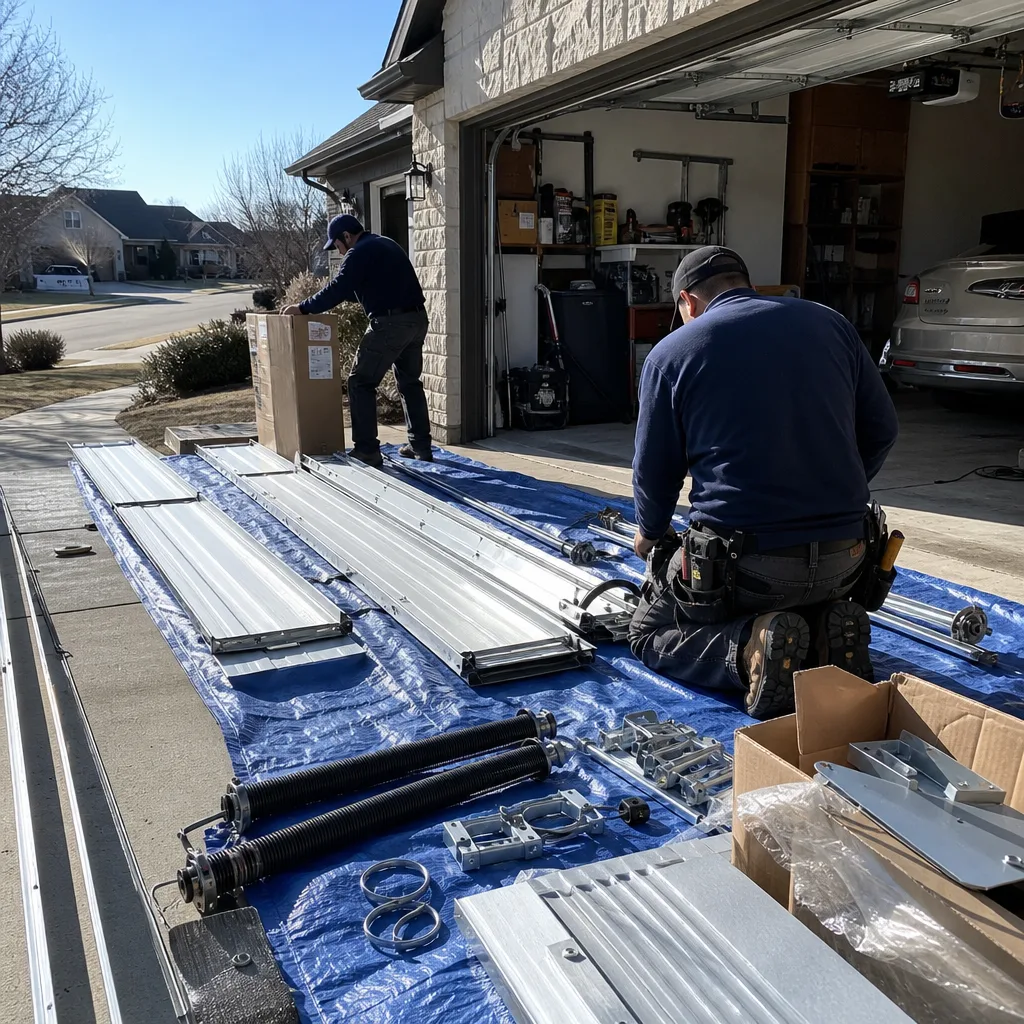
When a Fort Worth garage door installation does trigger a permit, the inspection follows a defined sequence. It is not a single walkthrough at the end. The permit card lists the required inspections, and each one must be called in and passed before work proceeds to the next phase.
The standard sequence for a structural garage door alteration in Fort Worth:
- Pre-construction or rough framing inspection: after the opening is cut and reframed, before any drywall, trim, or insulation covers the new work. The inspector verifies header size, king studs, jack studs, anchor bolts, and the integrity of the existing wall assembly.
- Fire assembly inspection (if the wall is a fire separation wall): the inspector confirms that fire-rated drywall, wall continuity, and any required fire blocking are in place and correctly fastened.
- Door installation inspection: after the door, track, and operator are mounted, the inspector checks clearances, attachment, and safety reversing systems on the opener.
- Final inspection: a whole-assembly review, including weather seal, exterior trim, and any ancillary electrical work.
What fails most often in Fort Worth, based on local inspection patterns:
- Undersized headers over widened openings, especially on gable-end walls carrying roof load
- Missing or incorrectly placed anchor bolts at the new framing connection
- Gaps in fire-rated drywall that break the separation wall’s continuity
- Photo-eye sensors too high off the floor on the new door opener
- Temporary bracing left in place from the construction phase, which masks the actual structural connection
A permitted installation that passes on the first cycle is usually one where the framing was documented with photos before cover. Which brings up the next point.
Documenting Compliance Before the Inspector Arrives
The inspector arrives with a clipboard and a camera. The contractor who passes inspection repeatedly is building a paper trail from the first cut. That documentation is exactly what a homeowner should demand of any company doing structural work on a Fort Worth garage, because the inspection record becomes the future proof of compliance for the insurance policy and the resale file.
The documentation sequence we follow at Servo on any structural garage door job in Fort Worth:
- Pre-work photos: the untouched opening, from both sides, with a measuring tape in frame for scale
- Mid-work photos: the cut framing, the exposed header, the anchor points, all before any covering goes up
- Assembly photos: the new door mounted, the safety sensors at correct height, the wall assembly restored
- Written scope and written price: produced before work starts, per Clause 1 of The Haven Standard, so the inspector’s review and the homeowner’s checkbook align
- Inspection request documentation: the city’s confirmation of the scheduled inspection attached to the job record
Clause 4 of The Haven Standard is the reason the technician photographs the failed part before quoting a replacement. In a permit scenario, the same principle extends to the structural condition: a photo of the exposed header before it is covered answers the inspector’s most important question without argument. Marcus Deller, who runs Servo Garage Doors Fort Worth, put that requirement in place on the founding jobs in 2015, and it has been the rule on every permitted installation since. Homeowners who understand the Fort Worth permit sequence appreciate this because they have already paid for the permit. The documentation is how they protect that investment.
Common Mistakes to Avoid
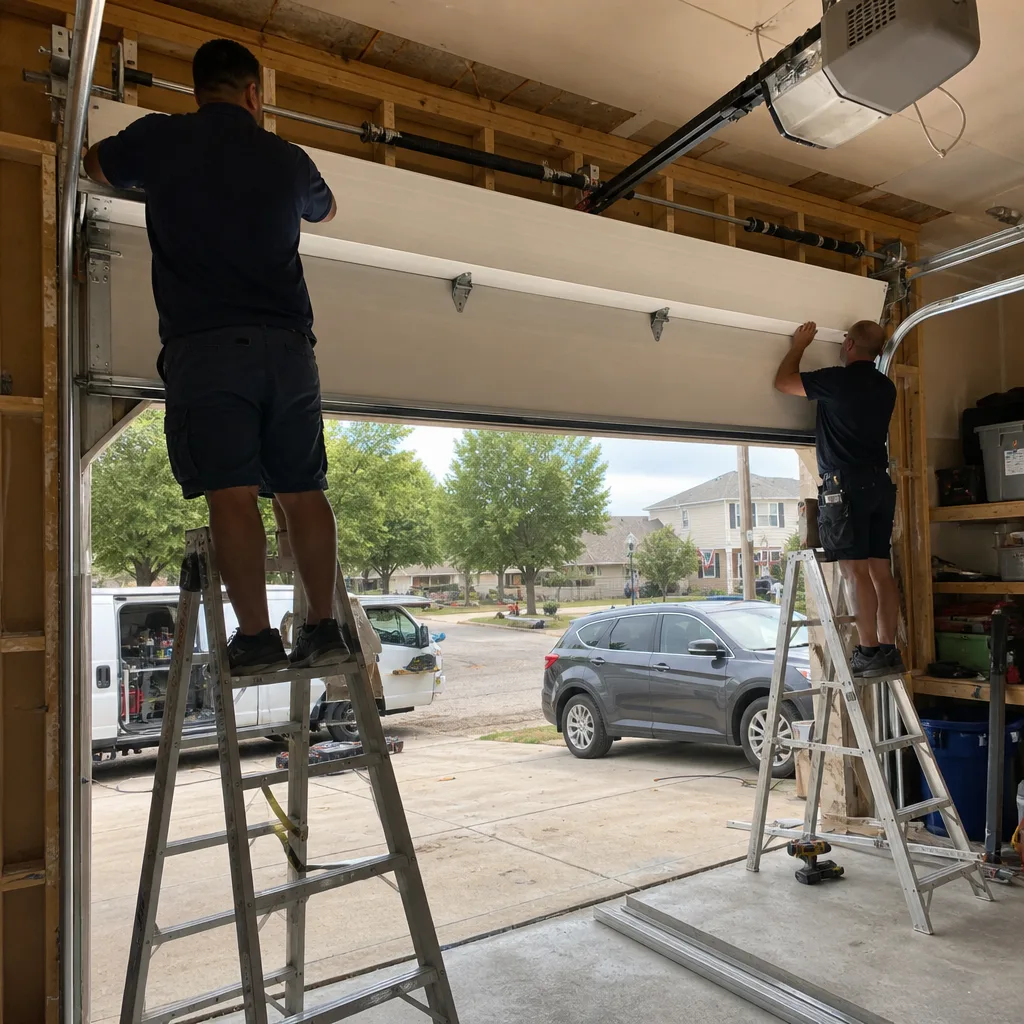
- Widening the opening and calling it a replacement. Any change to the rough opening dimensions moves the project from repair to alteration, and in Fort Worth that means a permit. A contractor who says otherwise is not doing you a favor.
- Asking the HOA after the door is installed. The Fort Worth architectural review committees in communities like Ventana and Walsh Ranch do not issue retroactive approvals. The door goes back, and the restocking fee is yours.
- Assuming the insurance policy covers work done without a permit. It often does not, and the exclusion language is in the policy you already signed. Read the physical change and ordinance or law sections before the project starts.
- Cutting the fire separation wall to move a door. The wall between an attached garage and living space is fire-rated. Cutting it without restoring the rating is a code violation and a genuine safety hazard.
- Paying for a permit but hiring a crew that skips the inspection. The permit is not the point; the passed inspection is. An expired permit with no final approval is worse than no permit from the insurance carrier’s view.
- Trusting a verbal quote on structural work. Written scope and written price, before any work starts, is Clause 1 of The Haven Standard. If a company won’t put it in writing, the inspection outcome is likely as verbal as the quote.
When to Call a Professional
Call a professional when the project touches the line between repair and alteration: any change to the rough opening, any cut into a wall or header, any question about whether the existing wall is a fire separation, or any installation involving an opener with new electrical work. Our How to Hire a Garage Door Contractor in Fort Worth: A Step-by-Step Guide walks through vetting questions. These are the conditions where a Fort Worth structural garage door installation goes wrong in ways that outlast the warranty. Servo Garage Doors Fort Worth offers free estimates in Fort Worth, and our technicians can assess the permit status on-site before any quote is written. Call (682) 297-6476.
Frequently Asked Questions
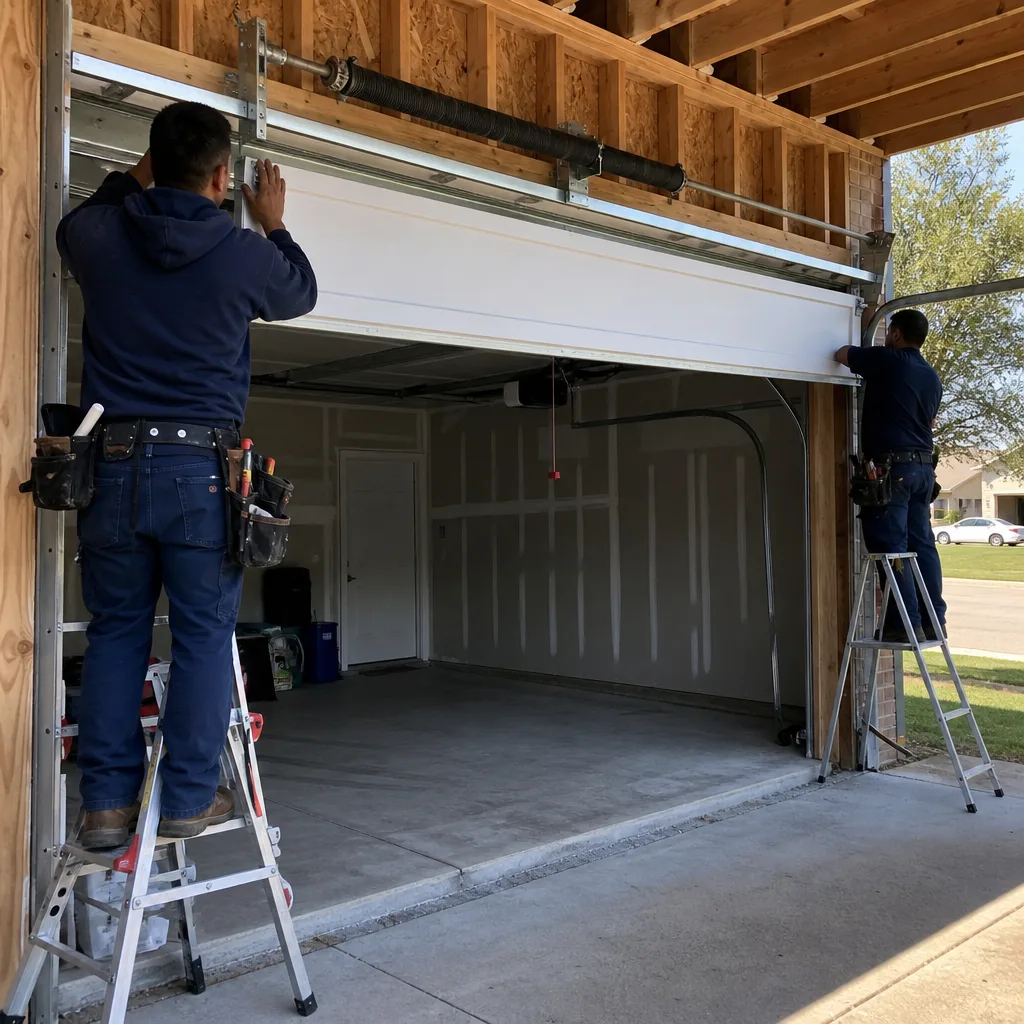
In Texas, replacing a garage door within the existing rough opening is typically considered exempt repair and does not require a building permit. If the replacement alters the rough opening, changes the wall assembly, or relocates the door, a permit is generally required. In Fort Worth, the practical test is whether any framing member is modified.
No. Fort Worth’s development code exempts like-for-like replacement of garage doors when the rough opening dimensions and wall assembly are unchanged. The installation is treated as ordinary repair, not alteration. If the new door fits the existing opening with no structural cuts, no permit is required.
You must disclose any known unpermitted work on the Texas seller’s disclosure form. A buyer’s inspector or lender will often flag the alteration, which can delay closing, force a permit after the fact, or reduce the sale price. The safer path is pulling the permit and keeping the final inspection record before the sign goes in the yard.
The vehicle door facing the driveway does not need a fire rating, but the wall assembly around it does under the Texas-adopted IRC. The personnel door between the garage and the house does have a rating requirement. When a vehicle door opening is altered, the fire separation wall must be restored to its original rating, and the inspector will verify it.
Most likely not. Communities like Ventana, Walsh Ranch, and Presidio Village maintain architectural review processes with specific limitations on door style, material, and color. Some limit garage door designs to a defined list, and Raynor and Craftsman both produce models common to the region that fit those standards. Written HOA approval should exist before the door is ordered.
It depends on the policy language, and that is the problem. Unpermitted structural alteration is a documented exclusion or limitation category in many Texas homeowners policies. If unpermitted work is connected to a later loss, the carrier can deny or limit the claim. Keeping the permit and final inspection record is the practical protection.
The Bottom Line
Permits and codes look like bureaucracy during a garage door quote, but they are the structural and financial armor a Fort Worth homeowner keeps after the contractor leaves. The threshold is knowable: like-for-like repair, no permit; structural alteration, permit. The fire separation wall, the HOA review, and the insurance policy all key off that same distinction. Document the work before and after, keep the inspection record, and verify the price in writing before anyone touches the opening. If you get the threshold right, you never have to explain an unpermitted garage to an adjuster, a buyer, or a Fire Marshal. Browse more guides & resources for Fort Worth homeowners.
Our Garage Door Services in Fort Worth
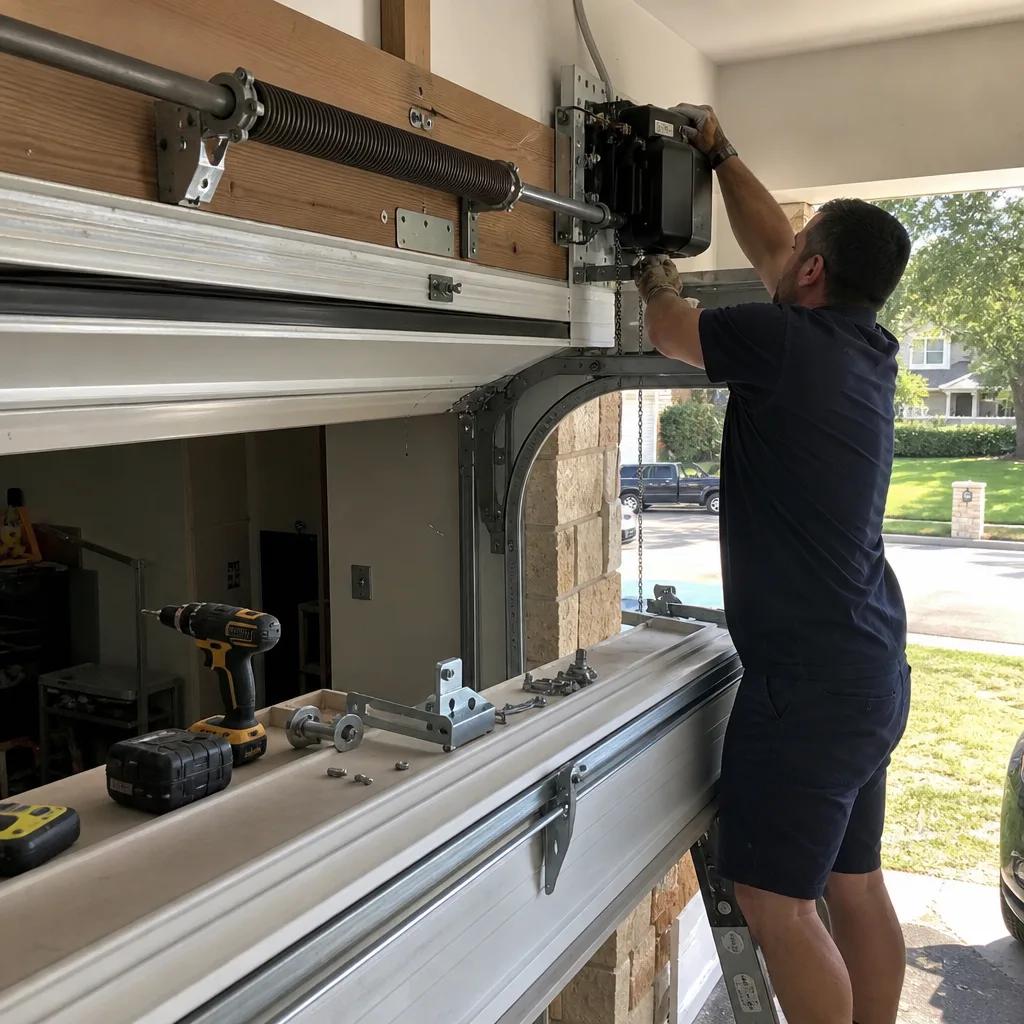
Servo Garage Doors Fort Worth provides garage door repair, installation, and opener services across the city. If you need Garage Door Repair in Fort Worth, we quote a flat, written price before any part is ordered. For a door that has outlived its frame, our Garage Door Installation in Fort Worth work includes permit review, HOA coordination, and the documented photo record. If the opener has failed and the door is fine, see Garage Door Opener Repair & Installation in Fort Worth for logic board, limit switch, and trolley repair work. Every job is quoted in writing before work starts, documented with photos when the technician leaves, and backed by the 365-Day Done Right Promise.
Written by Marcus Deller, Owner at Servo Garage Doors Fort Worth, serving Fort Worth since 2015.
What happens when you call
- 1
A real person answersNo phone trees - you reach a local pro.
- 2
You get an upfront price rangeHonest numbers before anyone is dispatched.
- 3
A background-checked tech heads outLicensed & insured, dispatched right away.
- 4
You approve before work beginsNothing starts until you say go.