
Last updated September 20, 2026
Full 25-point door and opener safety check with every visit - springs, cables, rollers, tracks, and your LiftMaster or Chamberlain opener included
You get a price before we start. It does not change when the truck arrives.
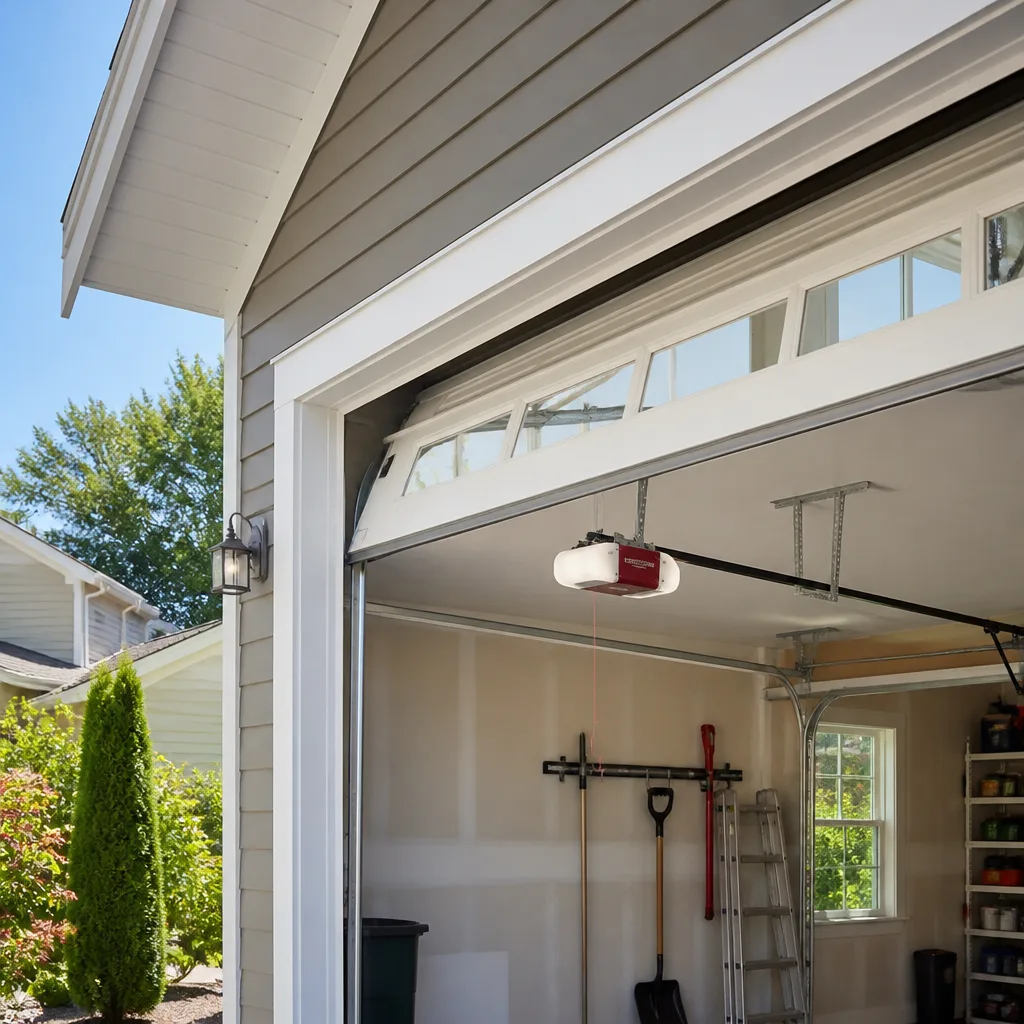
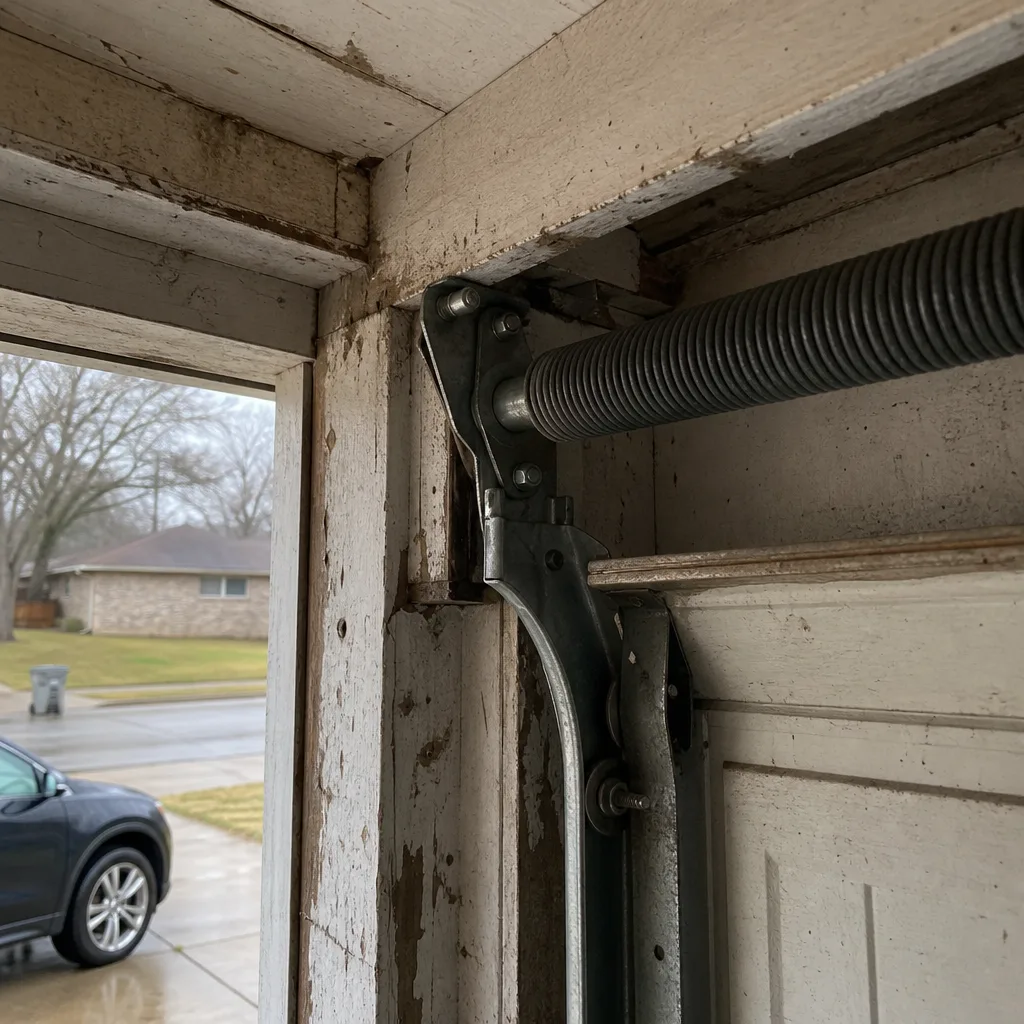 Before
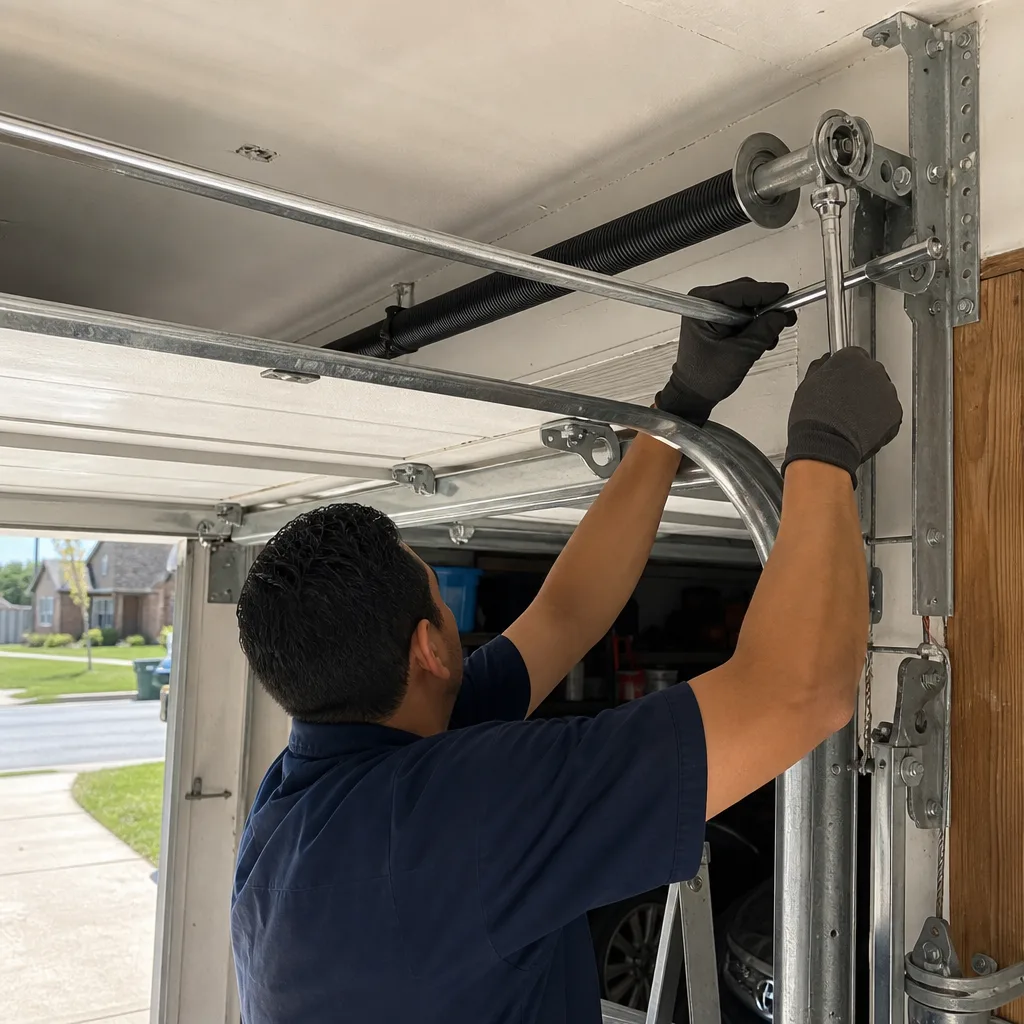 After
After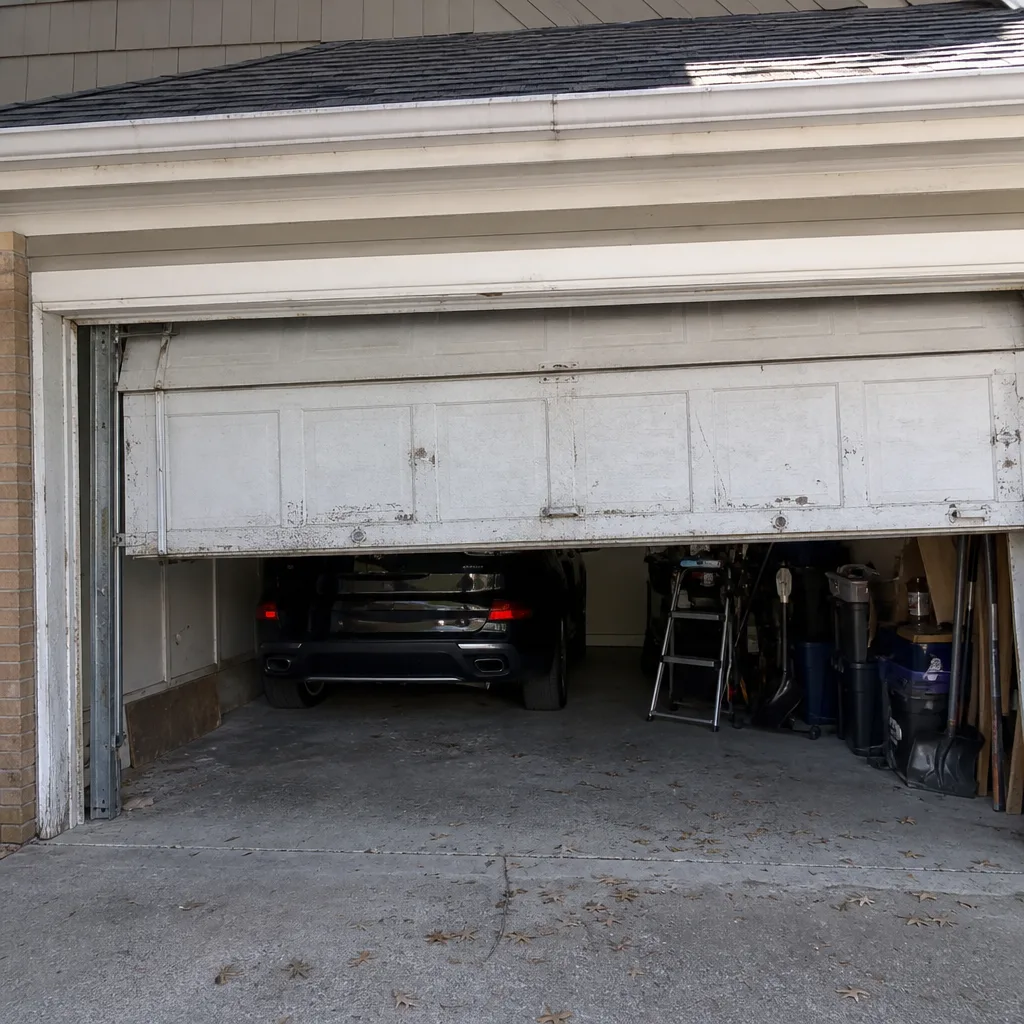 Before
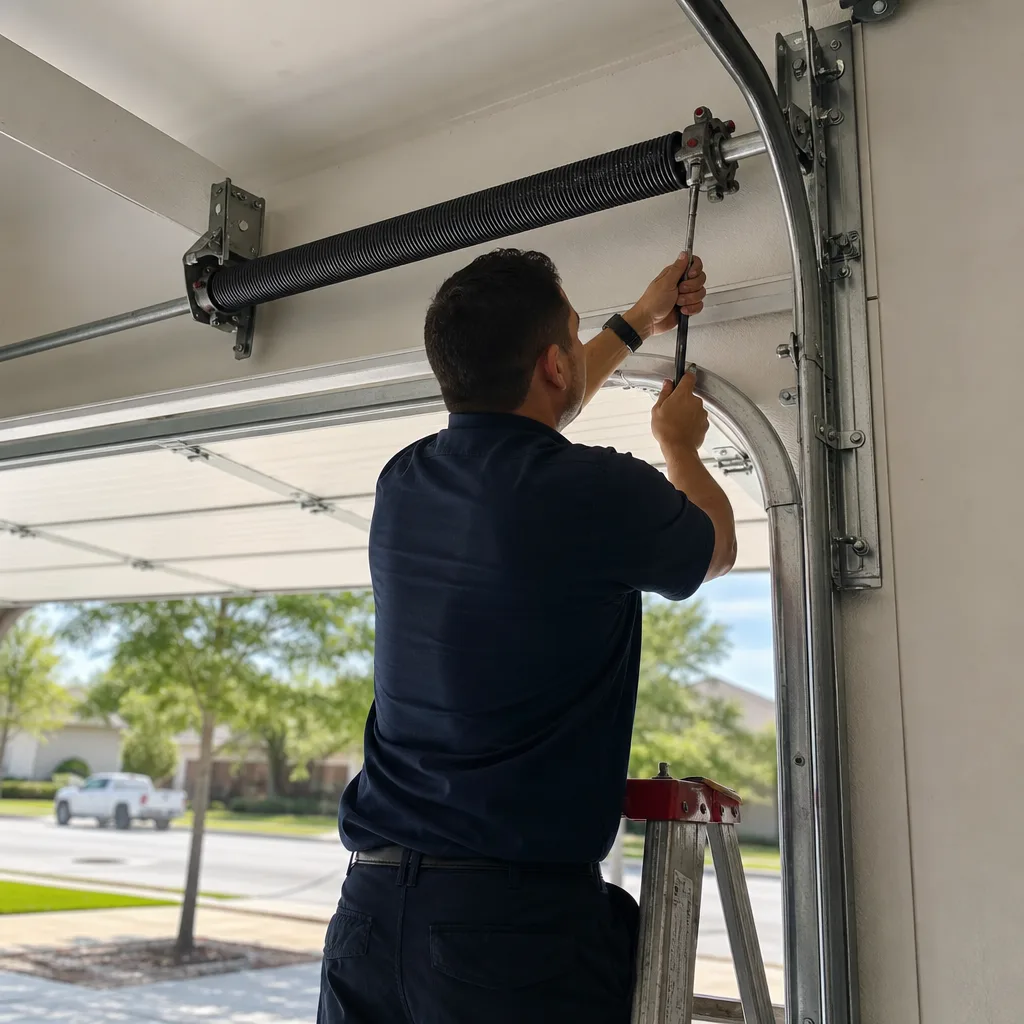 After
After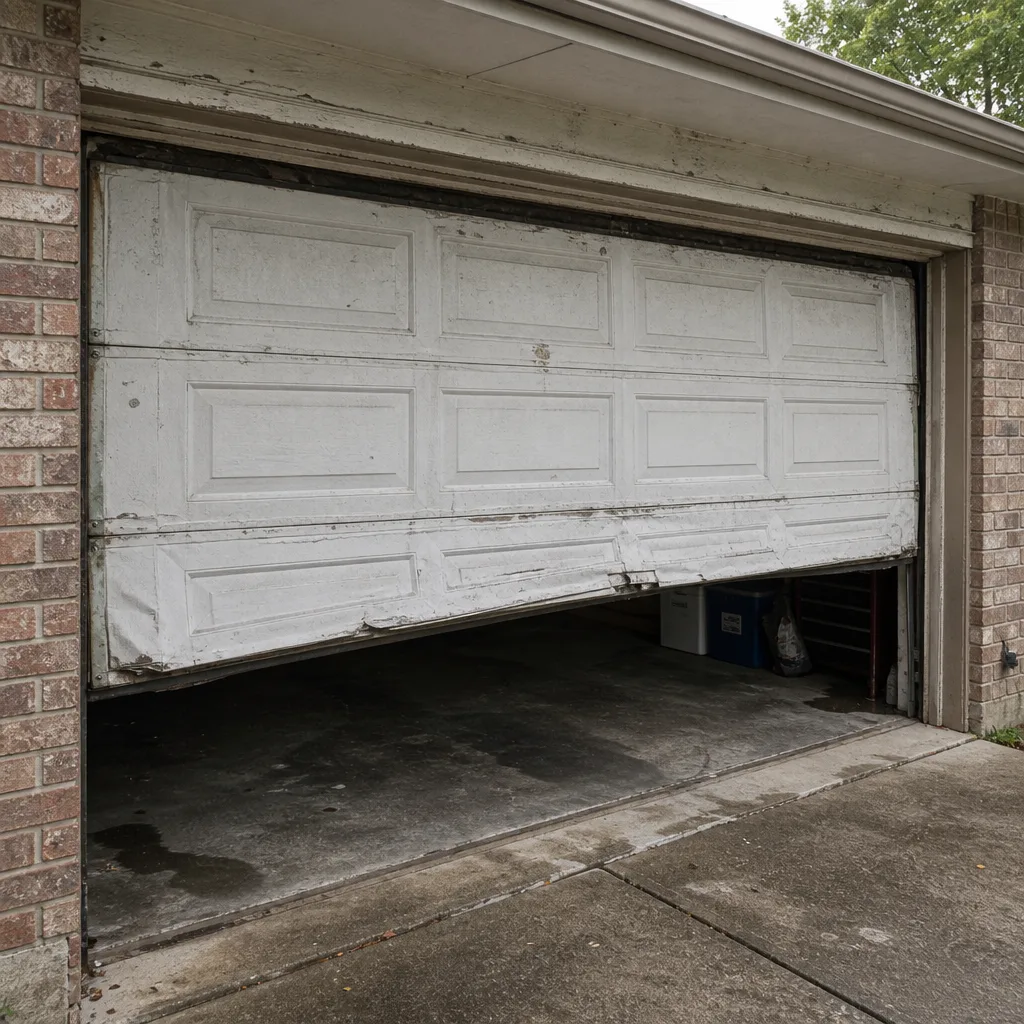 Before
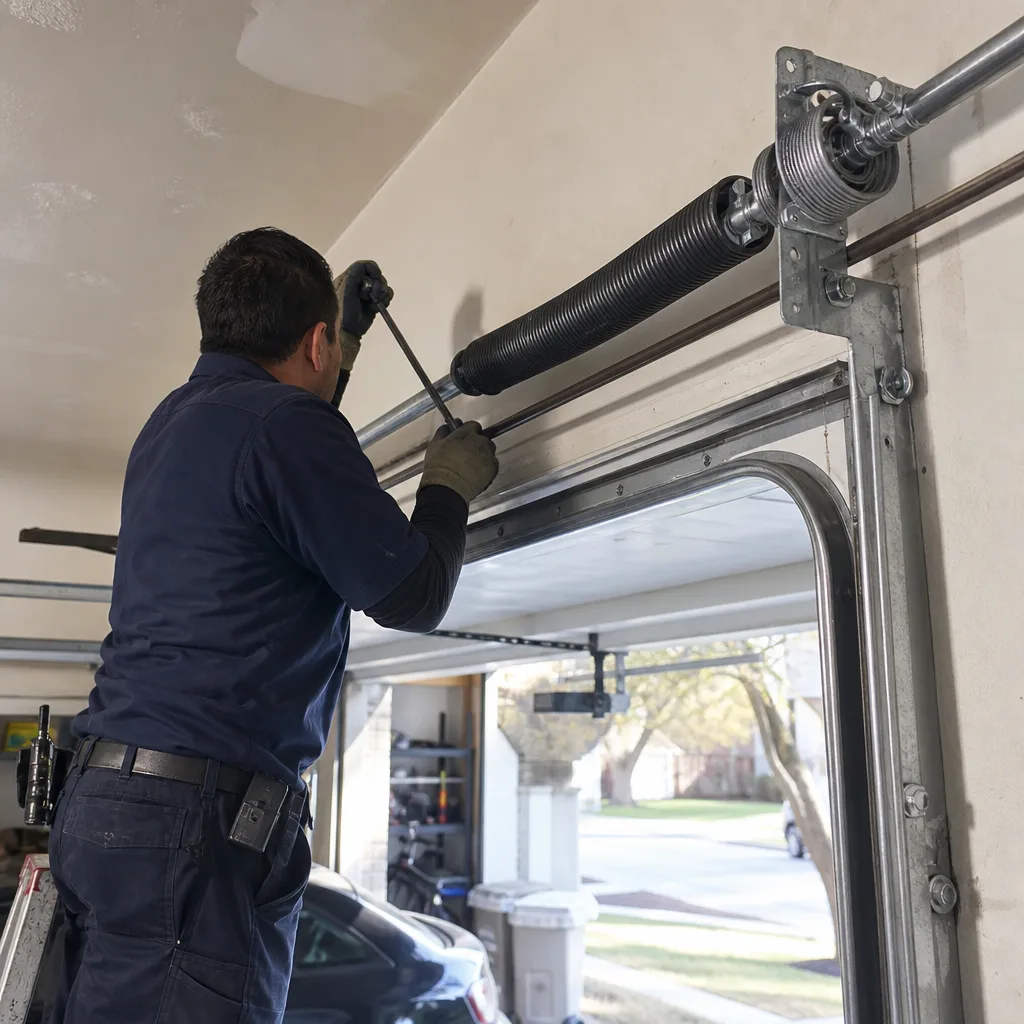 After
AfterGarage Door Warning Signs: A Fort Worth Homeowner’s Reference Guide
A garage door that hesitates for two seconds before moving has already shed roughly 30% of its spring tension. The door still opens. The opener still hums. But the motor is now absorbing load it was never rated for, which quietly shaves 18 to 24 months off its service life. Most Fort Worth homeowners don’t notice that hesitation because it arrives gradually, one fractional delay at a time, over four to six weeks. This guide maps each warning sign to its mechanical cause, puts a dollar figure on acting now versus waiting, and tells you exactly what to photograph before you call anyone. For a broader look at garage door systems in our area, see our Complete Guide to Garage Door in Fort Worth. We’ve repaired garage doors across Fort Worth since 2015, and the failures we see on emergency calls are almost never surprises. They were announced weeks earlier.
Quick Answer
The most common garage door warning signs in Fort Worth are a door that hesitates before moving, grinding or squealing during travel, a door that drifts down after opening, visible cable fraying, and uneven gaps between door sections. Most of these trace to three components: torsion springs, cables, and rollers. A spring replacement in Fort Worth typically runs $180 to $340; waiting until the spring snaps often turns a $300 repair into an $800 to $1,200 job that includes a new opener motor, a bent track, or a damaged panel. If your door is making a noise it didn’t make last month, that’s data, not ambiance.
Table of Contents
- Symptom-to-Component Diagnosis Table
- Balance, Alignment, or Failing Spring: How to Tell the Difference
- The Cost Trajectory: Act at the Warning Stage, Not After the Drop
- Fort Worth-Specific Failure Patterns by Door Type
- What to Photograph and Measure Before You Call
- Spring Warning Signs Most People Miss
- Opener Warning Signs That Get Blamed on the Door
- What You Can Safely Check Yourself (and What You Shouldn’t Touch)
BeforeAfterSymptom-to-Component Diagnosis Table
Every noise a garage door makes corresponds to a specific component under stress. Here is the mapping we use on service calls in Fort Worth, from Keller to Crowley. Each symptom gets a plain-language mechanical cause so the diagnostic conversation starts at the part level, not the “it sounds weird” level.
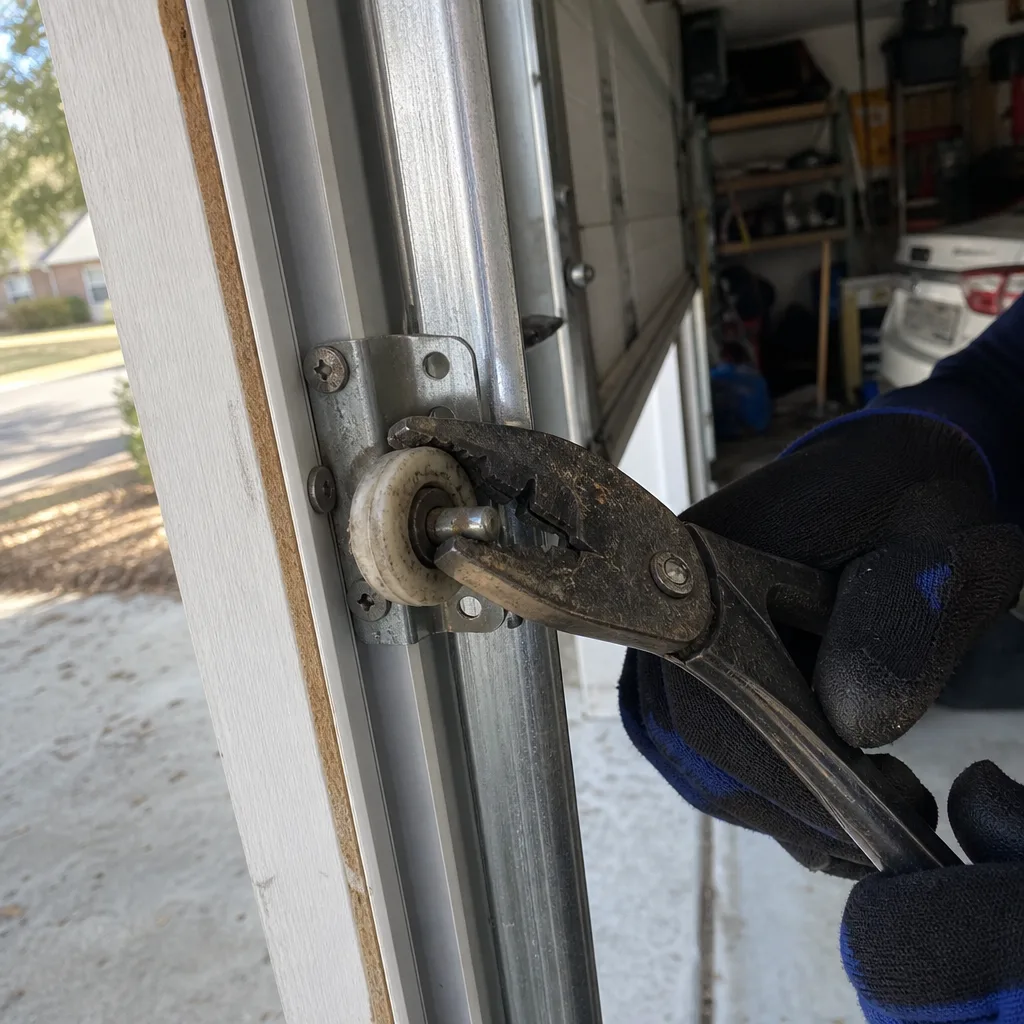
- Grinding or metal-on-metal scraping during travel: Roller failure. The roller bearings have worn out and the roller is now sliding, not rolling, inside the track. On steel doors this often means the roller stem is also grinding against the hinge. Replacement: $80 to $180 for a full roller set on a single door.
- Popping or snapping when the door moves: Cable drum issue. The cable is slipping on the drum or binding as it winds, which creates a popping sound each time tension shifts. This is a cable replacement warning, not a lubrication issue. Cable repair in Fort Worth runs $150 to $250.
- Hesitation of one to three seconds before movement: Spring tension loss. The torsion spring has lost tension and the opener motor is now doing work the spring used to do. This is the earliest reliable indicator of a spring that will fail within weeks to months, not years.
- Squealing only when the door passes a certain point: Hinge wear. A specific hinge or set of hinges has worn pins and only squeals when the section bends through a particular angle. Pinpointing the location tells you which hinge to inspect.
- Rattling when the door is stationary but the opener is not running: Loose track bolts or worn weather seal retainers. This is structural, not mechanical, and it’s the cheapest fix on this list.
- Thumping or bumping at the bottom of travel: Limit switch issue on the opener. The opener believes the door has reached the floor before it actually has, so the motor shuts off late or early. This is an opener adjustment, not a door repair.
One detail worth noting: Fort Worth’s clay soil shifts seasonally. Homes in older neighborhoods like Ridglea Hills or Wedgwood sit on foundations that move enough to alter the plumb of garage door tracks over time. A track that was perfectly aligned in 2019 may now be off by a quarter inch, which accelerates roller wear and creates the grinding noise faster than you’d see in a newer slab development like Walsh Ranch.
Balance, Alignment, or Failing Spring: How to Tell the Difference
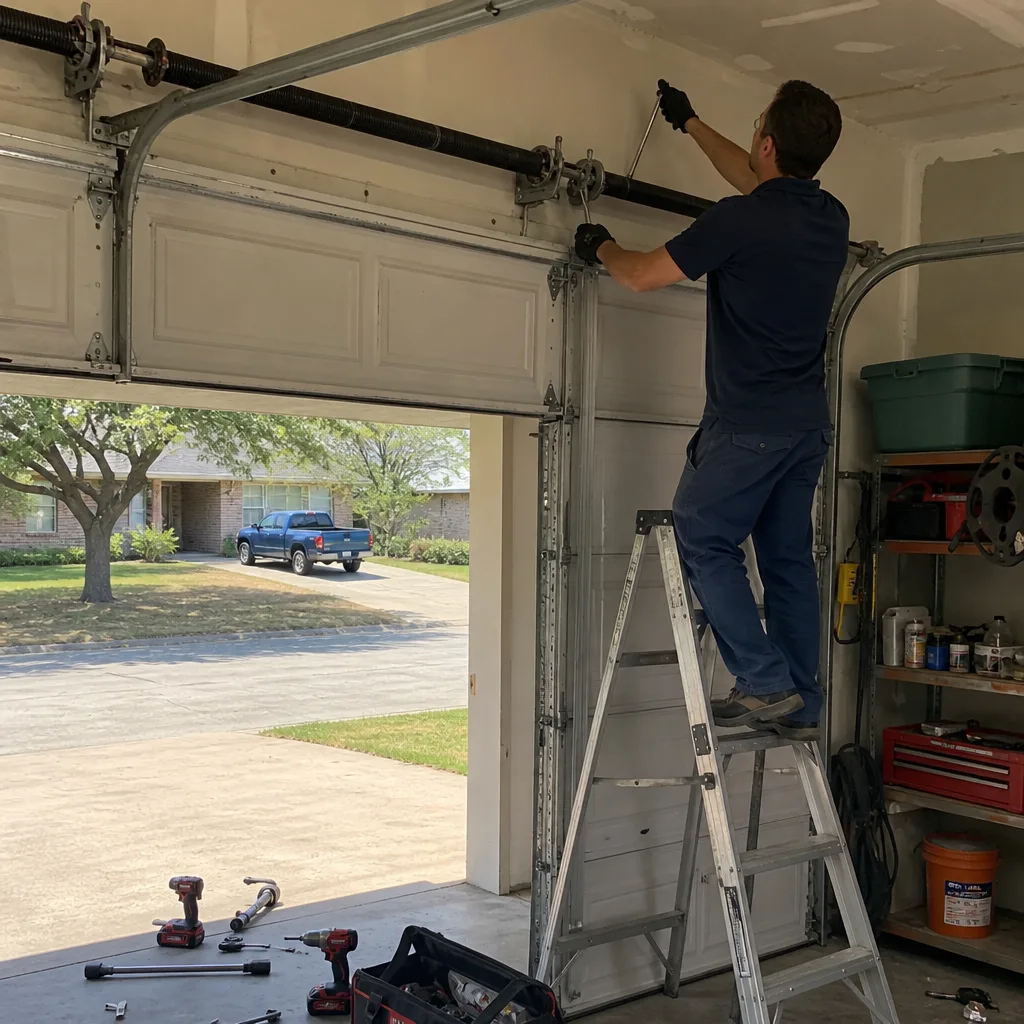
A door that’s out of balance, a door that’s misaligned, and a door with a failing spring produce overlapping symptoms, but they require different repairs and different budgets. Here is the field test we run on every Fort Worth service call, and you can run it yourself in ninety seconds.
- Disconnect the opener. Pull the red emergency release cord while the door is closed. This frees the door from the motor so you’re testing the door’s own weight and hardware, not the opener’s behavior.
- Lift the door manually to waist height and let go. A door in good balance stays roughly where you put it. It may drift an inch or two, but it should not drop or rise on its own.
- If the door drops quickly: Spring tension is failing or already failed. The springs are no longer counterbalancing the door’s weight. This is the highest-priority finding on the list. A torsion spring replacement in Fort Worth runs $180 to $340 per spring, and most doors have two.
- If the door rises on its own: The springs are over-tensioned, which is less common but hard on the opener and the cables. This is an adjustment, not a replacement, and it’s typically under $150.
- If the door stays put but scrapes or binds during the lift: The door is misaligned. The track has shifted, the hinges are worn, or a roller has seized. This is a track and roller issue, and it’s usually repairable for $150 to $300 depending on how many components have worn.
- Time the travel. Reconnect the opener and run the door from closed to open. A healthy single-car door completes the cycle in 8 to 10 seconds. If your door takes 12 seconds or more, the opener motor is straining against something. That something is almost always a spring losing tension.
This last test matters because opener manufacturers rate their motors for a specific duty cycle. Run a LiftMaster or Chamberlain opener against a door that’s lost 30% of its spring tension for a few months, and the logic board or motor gears fail early. We replaced two opener motors in the Ridgmar area last year where the root cause on both was a spring that homeowners had described as “a little sluggish” for over a month.
The Cost Trajectory: Act at the Warning Stage, Not After the Drop
The financial argument for addressing warning signs early is not subtle. A $150 cable repair today prevents a $600 panel replacement in six weeks. Here is the side-by-side cost trajectory we quote to Fort Worth homeowners when the evidence is photographed and documented.
| Warning Sign First Observed | Repair Cost at Warning Stage | Repair Cost After Failure |
|---|---|---|
| Frayed cable visible near the drum | $150-$250 cable replacement | $450-$800 panel, cable, and track repair after door drops |
| Grinding from worn rollers | $80-$180 roller replacement | $300-$500 hinge and track replacement after seized roller bends track |
| Hesitation (spring tension loss) | $180-$340 spring replacement | $600-$1,200 spring, opener motor, and panel repair after snap |
| Popping from cable drum | $150-$200 drum and cable service | $500-$900 drum, cable, and shaft replacement after full unwind |
| Limit switch thumping | $100-$150 opener adjustment | $300-$450 opener replacement after repeated impact |
These ranges reflect what we actually quote on service calls across Fort Worth, from the Near Southside to Saginaw. They are not national averages. They are line-item ranges from a local shop that writes the price down before any work begins, which is Clause 1 of The Haven Standard. If a contractor quotes you without looking at the door, the quote is guesswork dressed as math.
One pattern we’ve seen consistently: homeowners who call at the first sign of hesitation spend an average of $220 on the repair. Homeowners who call after the spring snaps spend an average of $680, and roughly 40% of that second group also needs opener work because the motor kept running against a door that no longer had counterbalance. The spring doesn’t care if you’re ready. It fails on its own schedule, usually at 7:42 a.m. on a Tuesday.
Fort Worth-Specific Failure Patterns by Door Type
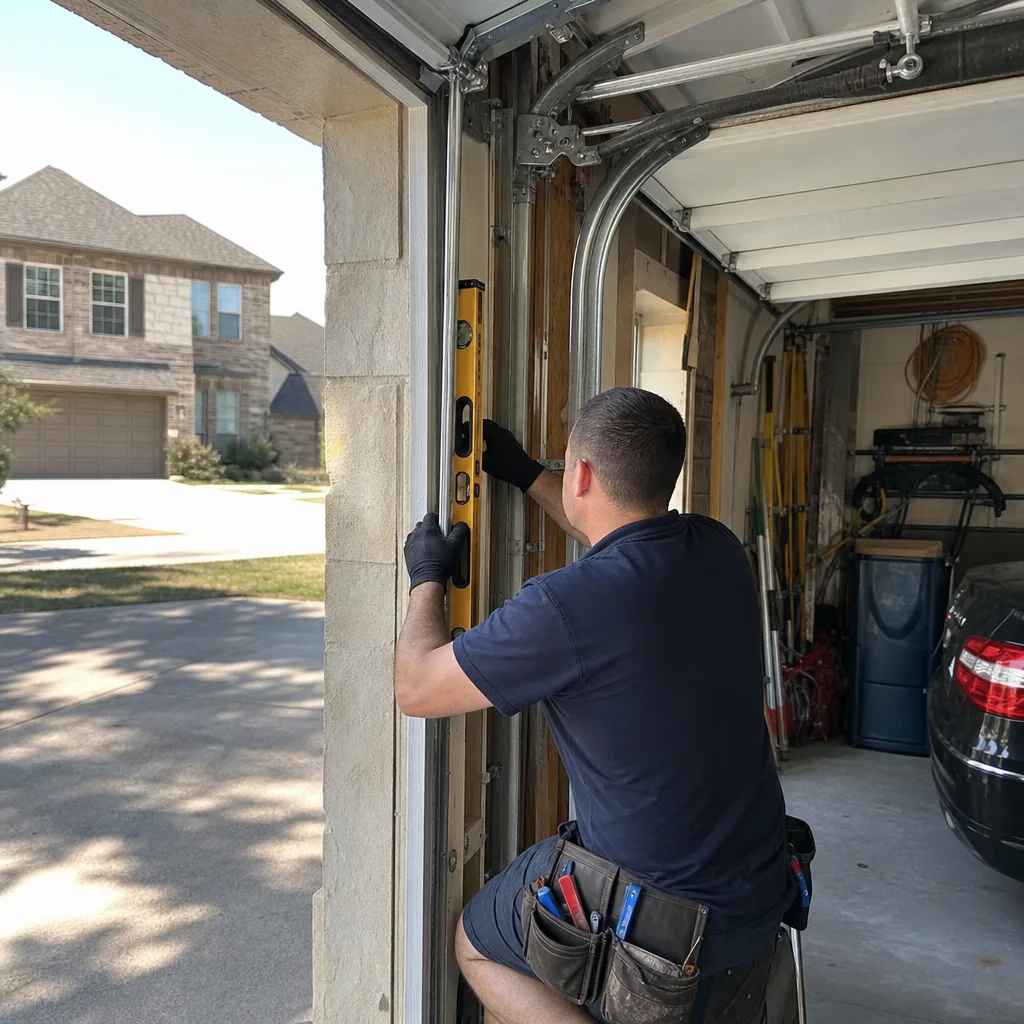
Garage doors do not fail uniformly. The failure pattern depends on the door material, the neighborhood’s soil and drainage, and the direction the door faces. Here is what we see on service calls across Fort Worth, tracked by door type.
Wood panel doors in established west Fort Worth neighborhoods: Homes in Tanglewood, Ridglea, and the area around TCU often have wood doors that are fifteen to twenty-five years old. Wood absorbs humidity, and Fort Worth’s spring thunderstorms plus summer heat create a repeated swell-and-shrink cycle. The warning signs to watch are warped sections that no longer seat flush, cracks radiating from hinge screw holes, and a door that gets noticeably heavier to lift by hand every year. A wood door that has absorbed moisture can gain 40 to 60 pounds, which overworks springs rated for a lighter door. The fix is usually new springs rated for the actual weight, not the original spec.
Steel doors in newer developments: Haslet, Crowley, far north Fort Worth, and the new-build corridors along the Chisholm Trail Parkway are dominated by insulated steel doors from Clopay, Amarr, and Wayne Dalton. These doors fail differently. The steel skin stays straight, but the interior struts and stiles work loose over time, creating a rattle that sounds like the door is falling apart when it’s actually just hardware fatigue. The rollers on these doors also tend to be nylon rather than steel, which means they wear out faster in dusty conditions. If you live on a street with new construction nearby, the dust from site work will accelerate roller wear.
Doors on west-facing garages: Fort Worth afternoons in July put direct heat on west-facing doors. The metal panels expand, the springs expand, and the track fasteners expand at slightly different rates. The symptom is a door that binds at the top of travel in summer but moves freely in winter. That’s thermal expansion, not a structural failure, but it’s worth adjusting the track clearance to prevent long-term roller damage. West-facing doors in Fort Worth also age springs faster because heat accelerates the fatigue cycle in spring steel.
Craftsman and other entry-level steel doors: These doors are durable but under-sprung from the factory at the low end of the weight range. When the original spring fails at year eight or nine, upgrading to a spring rated for the door’s full weight rather than the builder’s minimum spec extends the next spring’s service life by two to three years in our experience.
What to Photograph and Measure Before You Call
This section exists because the entire Servo operating model traces to a founding rule: the customer sees the failed part before anyone quotes a replacement. When you call us with photographs and measurements, the diagnostic conversation starts at the part level, not the symptom level. Here is what to document before you pick up the phone.
- Photograph the springs above the door. Get a clear shot of the torsion spring, including both ends where the winding cones sit. If you see a visible gap in the coil, photograph the gap directly. A torsion spring that has snapped shows a clean break at the coil, and a photograph of that break is the diagnostic starting point.
- Photograph both cables. The cables run vertically along each side of the door. Look for fraying, kinking, or any strands that have separated from the main cable body. Photograph the cable drum at the top of each side, because that’s where fraying shows first.
- Measure the door height and width. Standard Fort Worth garage doors are 7 feet tall and 8 or 9 feet wide, but older homes sometimes have 6-foot-6-inch doors that require different spring ratings. Write the measurements down.
- Count the spring windings you can see, or note the spring color. Many manufacturers color-code the spring cones by size, which lets the technician identify the spring spec from a photo alone.
- Record a video of the door in motion. Ten seconds of video, shot from inside the garage, showing the door going from closed to open and back. The audio matters as much as the video. A grinding sound captured on video tells the technician which section of travel is producing the failure.
- Note the opener brand and approximate age. The opener has a model number on the side of the motor unit. A Chamberlain opener from 2016 and a LiftMaster from 2022 require different troubleshooting paths, and the model number eliminates guesswork.
When Marcus Deller and our team arrive on a Fort Worth service call, we photograph everything ourselves as part of the visit. You receive a documented photo record of what we found and what we did, included on every job. But when you photograph first, the phone call gets specific faster. “The torsion spring has a visible gap at the winding cone” produces a different conversation than “the door makes a noise.”
Spring Warning Signs Most People Miss
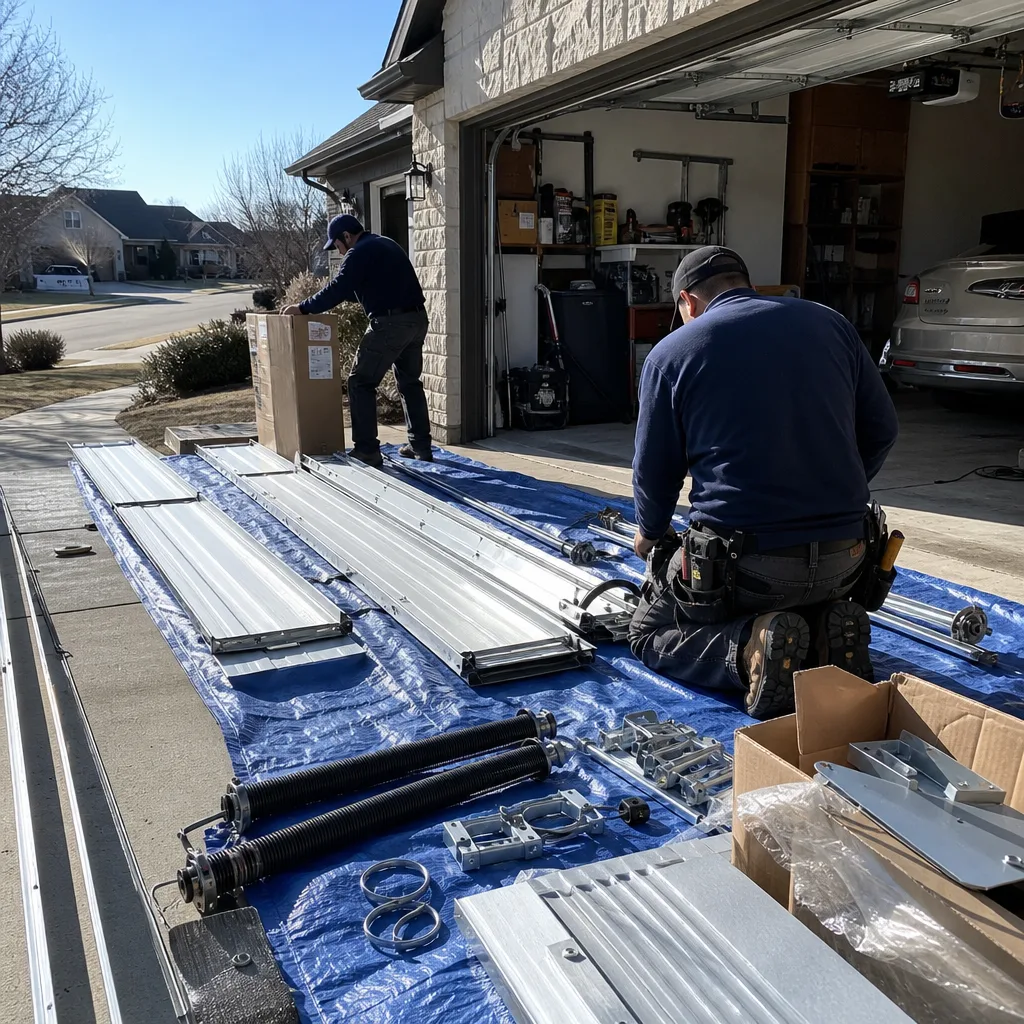
Torsion springs are the counterbalance system for the entire door. They hold the door’s weight so the opener motor only has to guide, not lift. When they fail, the failure is total and immediate, but the warning signs run for weeks before the snap. Here are the indicators that show up in the Fort Worth homes we service, in order of how often they’re missed.
- The door feels heavier than it did six months ago. A door that has lost spring tension feels heavier when you lift it manually. Most people never lift their door manually, so this signal goes unregistered until the spring snaps and the door suddenly weighs its full 150 to 200 pounds.
- The door climbs a few inches and then stops, or reverses. The opener’s force sensor detects more resistance than it was calibrated for. The motor isn’t failing. The spring is failing, and the opener is trying to tell you.
- Visible wear at the spring’s midpoint. A torsion spring under healthy tension shows even gaps between coils along its full length. When one section of coils starts to separate, that’s where the failure will occur. The gap photo goes straight to the technician.
- The door drops faster in the last two feet of travel. Spring tension normally controls the door’s descent speed. A door that accelerates at the bottom of its travel is telling you the spring is no longer doing its half of the work.
The spring itself is a consumable part. A standard torsion spring is rated for roughly 10,000 cycles, which in a Fort Worth home where the door opens four to six times a day translates to seven to ten years. If your home is in a new subdivision like Ventana or Chisholm Trail Ranch, your builder-grade springs are probably rated for fewer cycles than that. When the door hesitates, the spring has already lost meaningful tension, and the fix is replacement, not adjustment. A spring that has lost tension cannot be safely re-tensioned to its original spec because the steel has already fatigued.
Spring replacement is not a DIY job. The spring is under load, and the winding and unwinding procedure requires a technician who knows the torque settings for your specific spring and door weight. The danger here is real: a spring that lets go during a home repair attempt can cause serious injury. We say this plainly because we have seen the aftermath of spring failures, and we would rather you call us at Garage Door Repair in Fort Worth than try to save $200 with a socket wrench and a YouTube video.
Opener Warning Signs That Get Blamed on the Door
Roughly a third of the calls we take in Fort Worth start as “my garage door is broken” and end as “your opener needs work.” The opener and the door are separate systems that interact, and when the opener fails, the symptoms often look like door problems. Here is how to separate them.
- The opener runs but the door doesn’t move. The motor hums, the chain or belt doesn’t move, and the door stays put. That’s the trolley carriage or the drive gear inside the opener, not the door. The door’s hardware is doing its job; the opener isn’t transferring force.
- The door reverses immediately after touching the floor. The opener’s limit switch is mis-calibrated or failing. The motor thinks the door hasn’t reached the floor yet, so it reverses. This is a limit switch adjustment, and it’s a $100 to $150 repair, not a door repair.
- The opener runs for a half-second and stops, every time. This is a logic board issue, common on openers made before 2012. The board is receiving a spurious signal, usually from a failing safety sensor or a worn capacitor. Replacing the logic board costs $180 to $300; replacing the opener costs $350 to $500 installed.
- The door moves in jerks instead of smoothly. If you’ve already ruled out spring tension loss, the opener’s drive mechanism is likely failing. A worn chain or belt sprocket produces a jerky, uneven motion that feels like the door is binding when it isn’t.
On opener work specifically, we see homeowners in Fort Worth chasing the wrong repair. They replace rollers when the issue is the drive gear. They lubricate hinges when the issue is the capacitor. If you run the balance test from the earlier section and the door moves smoothly by hand, the problem is in the opener, not the door. That distinction saves you a $200 roller replacement you didn’t need. For a deeper diagnostic on opener behavior, our Garage Door Opener Repair & Installation in Fort Worth page covers the full failure map by brand and age.
What You Can Safely Check Yourself (and What You Shouldn’t Touch)
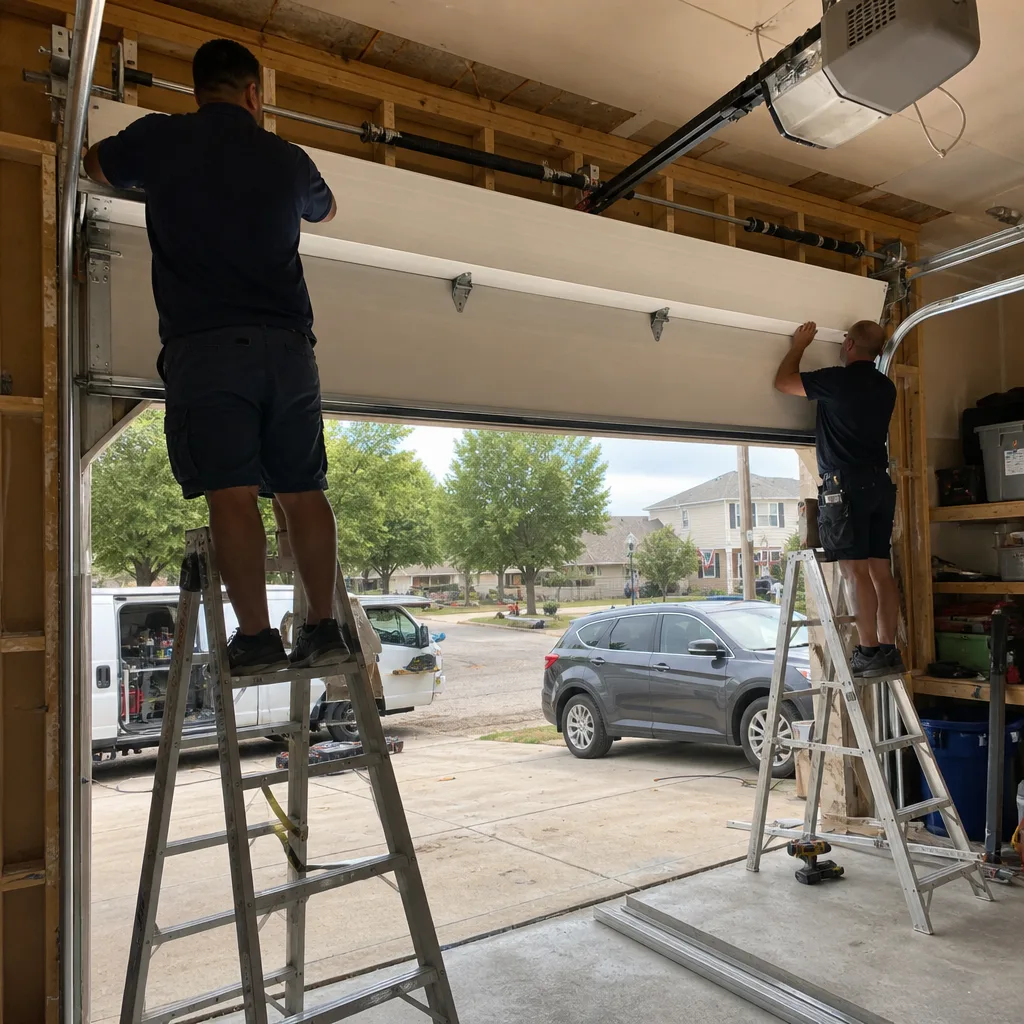
Some garage door maintenance is safe for a homeowner with basic tools. Some of it is genuinely dangerous. Here is the line we draw on every Fort Worth service call.
Safe to do yourself:
- Inspect cables visually for fraying. You can see cable wear without touching anything. If the cable is frayed, do not try to remove it. A frayed cable under tension can snap and whip.
- Test the balance using the release cord method described earlier. Pulling the red cord is safe. Holding the door in place afterward is safe. Reconnecting the opener is safe.
- Photograph everything. Documentation is always safe and always useful.
- Lubricate rollers and hinges with a silicone-based garage door lubricant. This is a twice-a-year task in Fort Worth’s climate, and it extends roller life. Avoid WD-40; it attracts dust and shortens bearing life.
- Tighten visible track bolts with a socket wrench. If a bolt is loose, snug it down. Don’t over-tighten; the track needs slight play to accommodate expansion.
Do not attempt these yourself:
- Spring repair or replacement. Torsion springs are under hundreds of pounds of torque. The winding procedure requires specific tools and specific torque settings. A mistake here can cause serious injury.
- Cable replacement. Cables are load-bearing components under tension. When a cable releases, it moves fast. Let a trained technician handle this.
- Track realignment that requires removing or bending the track. A misaligned track is usually a symptom of a door that’s been out of balance for months, not a problem you fix by yanking on the track.
- Any repair that requires you to work with the door in the raised position for more than a few seconds. A door held up by a clamp or a ladder is a door waiting to fall. The safe way to work on a raised door is with the proper locking pliers on the track and the opener disconnected, and even then, we prefer a second set of hands.
If you find yourself unsure which side of the line a task falls on, the answer is almost certainly “call someone.” The diagnostic phone call is free. The repair that follows a failed DIY attempt is not.
Common Mistakes to Avoid
- Dismissing the hesitation as “just how the door is now.” The hesitation is a load signal. When the door hesitates, the spring has already lost tension, and the opener is absorbing the difference. Waiting six weeks turns a spring replacement into a spring and opener replacement.
- Lubricating grinding rollers instead of replacing them. Once a roller is grinding, the bearing is done. Lubricant quiets it for a day or two and then the grinding returns, now with a dust-attracting film on the track. Replace the roller set.
- Ignoring cable fraying because “the door still works.” A frayed cable is one stress cycle away from snapping. When it snaps, the door drops on that side, bending the panel and the track. The cable is the cheapest part of that failure chain to replace.
- Adjusting the opener force settings to compensate for a failing spring. Increasing the opener’s force setting makes the motor push harder, which masks the spring tension loss for a few weeks and accelerates the spring’s fatigue. The motor wasn’t designed to lift the door; the spring was.
- Assuming a new home has no garage door issues. Builder-grade doors in Fort Worth subdivisions are installed to a price point, not a longevity spec. We service doors in four-year-old homes with failing rollers and under-rated springs. New doesn’t mean healthy.
- Calling a company that quotes over the phone without photographic evidence. A phone quote on a garage door repair is a guess. The technician who arrives will either honor the guess and cut corners or abandon the guess and re-quote. The Haven Standard’s Clause 4 exists because the photograph changes the quote.
When to Call a Professional
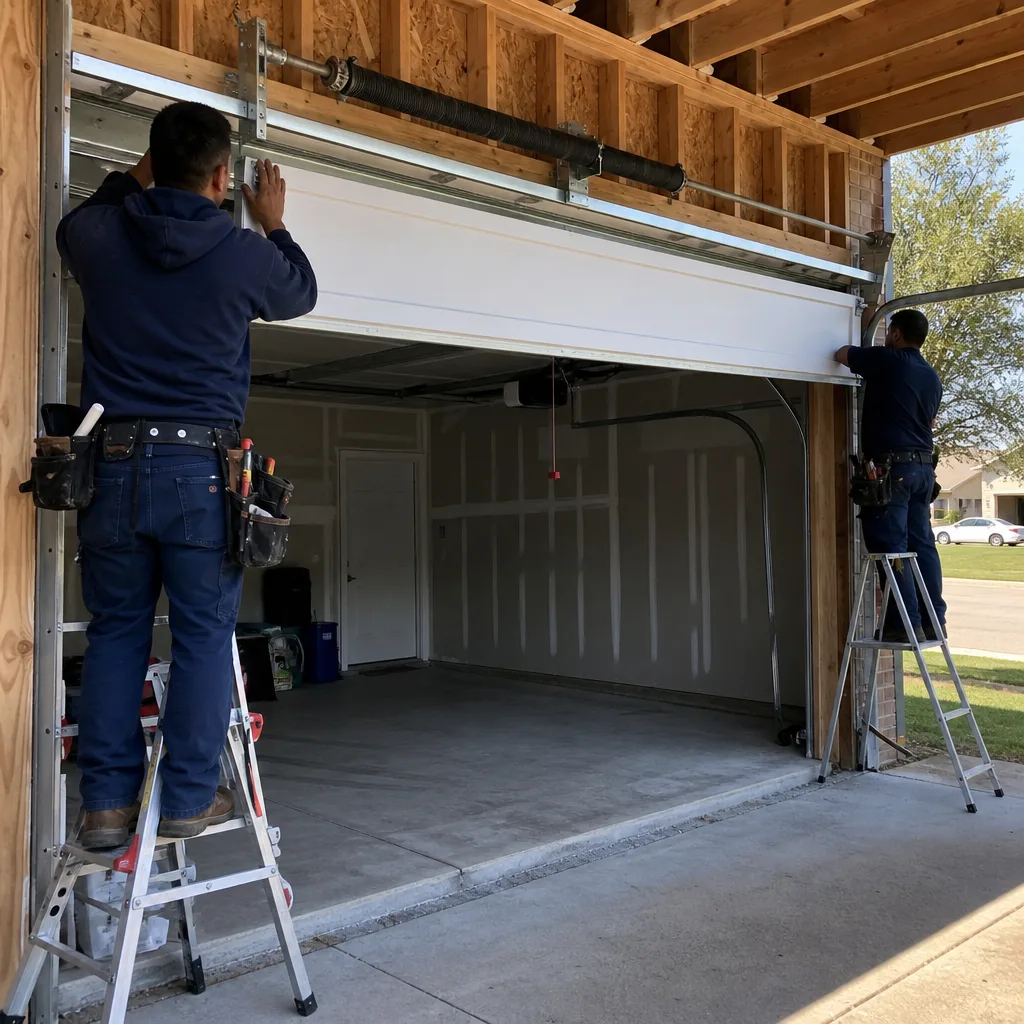
Call a professional when the door hesitation is measurable, when you can see cable fraying, when the door drifts down after opening, or when the grinding noise has been present for more than a week. Not sure how to choose? Read our How to Hire a Garage Door Contractor in Fort Worth: A Step-by-Step Guide. If you’ve run the balance test and the door drops when you let go at waist height, the spring is actively failing and the window for a low-cost fix is closing. Also call if you hear a loud bang from the garage area followed by the door refusing to open: that’s a spring snap, and the door is now dead weight. Servo Garage Doors Fort Worth offers free estimates in Fort Worth, with a flat written price and written scope before any work begins. Call (682) 297-6476 and we’ll put a named technician on the line, not a recording.
Frequently Asked Questions
Garage door spring replacement in Fort Worth typically costs $180 to $340 per spring, and most doors have two springs. The price includes the spring, the labor, and a written quote before any work begins. Spring replacement is the most common repair we perform, and it’s the repair most likely to prevent an emergency call later. Call (682) 297-6476 for an exact quote based on your door’s weight and spring spec.
Yes, for most repairs including spring replacement, cable replacement, and roller replacement, a same-day visit is available when you call early in the day. Fort Worth coverage includes the Near Southside, Ridglea, Tanglewood, Saginaw, Haslet, and Crowley. Each job gets a flat written price before any work starts, so the technician arrives knowing what the repair will cost and you approve it before anything is touched.
The earliest reliable sign is a door that hesitates for one to three seconds before moving when you press the opener button. Other signs include a door that feels heavier when lifted manually, a door that drops quickly from waist height when the opener is disconnected, and visible gaps appearing between coils on the torsion spring. Any of these means the spring has lost tension and is approaching failure.
A popping sound during operation almost always traces to the cable drum, where the cable is slipping or binding as it winds. The popping is the cable shifting under tension. This is an early warning of cable failure, and the repair is a $150 to $250 cable service. Photograph the cable drum before you call so the technician can see the condition.
Typically not. Garage door spring failure is considered normal wear and tear, not a covered peril. Some home warranty policies cover spring replacement, but the fine print often excludes springs rated as “consumable.” The best approach in Fort Worth is to treat the springs as a maintenance item with a seven to ten year service life, and to budget for replacement when the hesitation appears.
With Servo Garage Doors Fort Worth, no. The written price is quoted after the technician inspects the door, not before, and the written scope is delivered before any work begins. That’s Clause 1 of The Haven Standard: a flat, written price and written scope before any work starts, on every job, with no exceptions. The founder’s rule behind it is that the customer sees the failed part before anyone quotes a replacement.
The Bottom Line
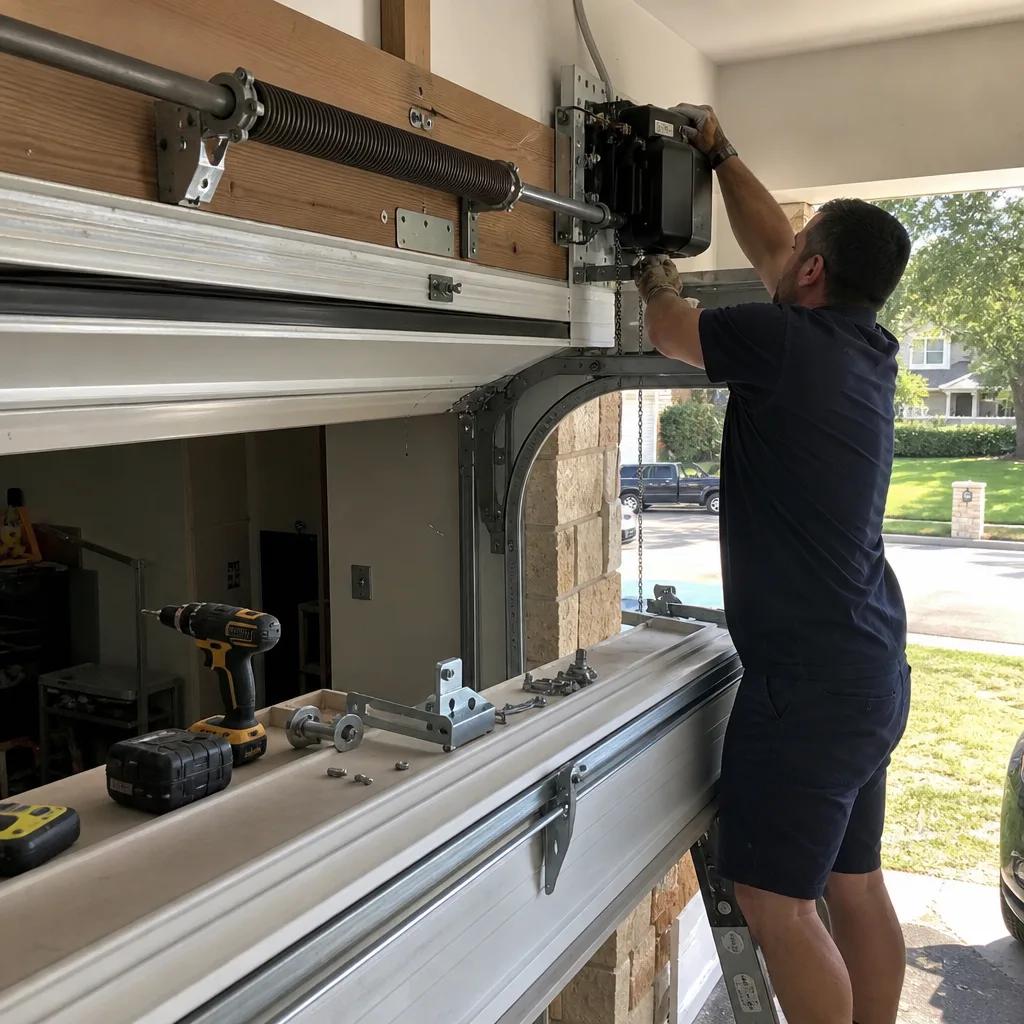
Garage doors in Fort Worth fail on a schedule, and that schedule is written in the warning signs: the hesitation, the grinding, the popping, the drift. Each signal maps to a specific component, and each component has a repair cost that doubles or triples when you wait for the failure instead of the warning. The hesitation is the most valuable signal you’ll get because it arrives weeks before the snap, and it’s the difference between a $220 spring replacement and a $680 emergency repair. Document what you see, photograph what’s failing, and call a company that writes the price down before it touches the door. For more guides & resources, visit our blog.
Servo Garage Doors Fort Worth home | Garage Door Installation in Fort Worth | Call (682) 297-6476 for a free estimate with a flat written price, a documented photo record, and a named technician on the line, 24/7. We cover Fort Worth and the surrounding metro, and we’ve been doing this since 2015 under The Haven Standard: written price first, photo record after, no exceptions.
Written by Marcus Deller, Owner at Servo Garage Doors Fort Worth, serving Fort Worth since 2015.